On this page
- How we picked
- Why AI colorization finally crossed the threshold
- What actually makes a good colorization model
- The historical accuracy myth, and why it does not matter as much as you think
- How we tested
- Quick comparison
- The ranking
- 1. RestorePhotosApp
- 2. MyHeritage In Color
- 3. Palette.fm
- 4. Remini
- 5. DeepAI Image Colorization
- 6. Hotpot.ai
- 7. DeOldify (open source)
- Bottom line
- FAQ
How we picked the best photo colorizers
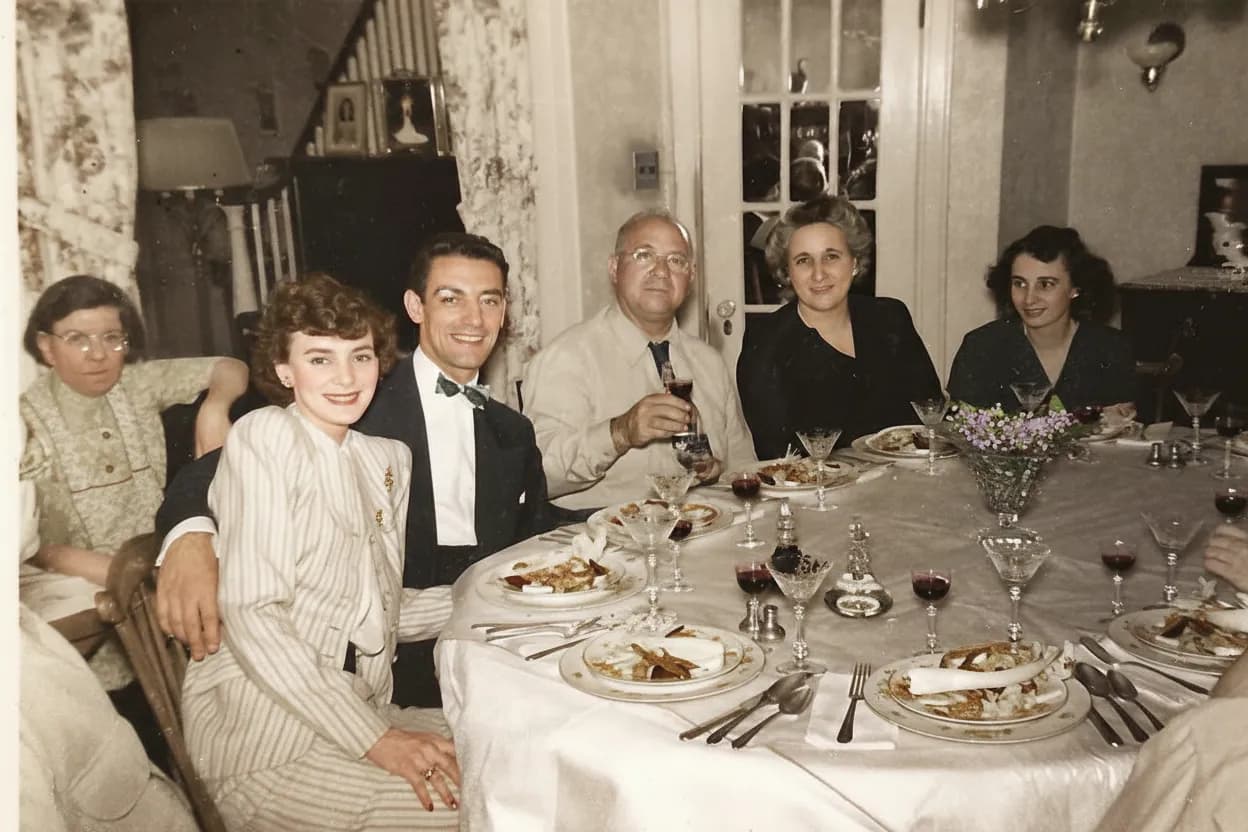
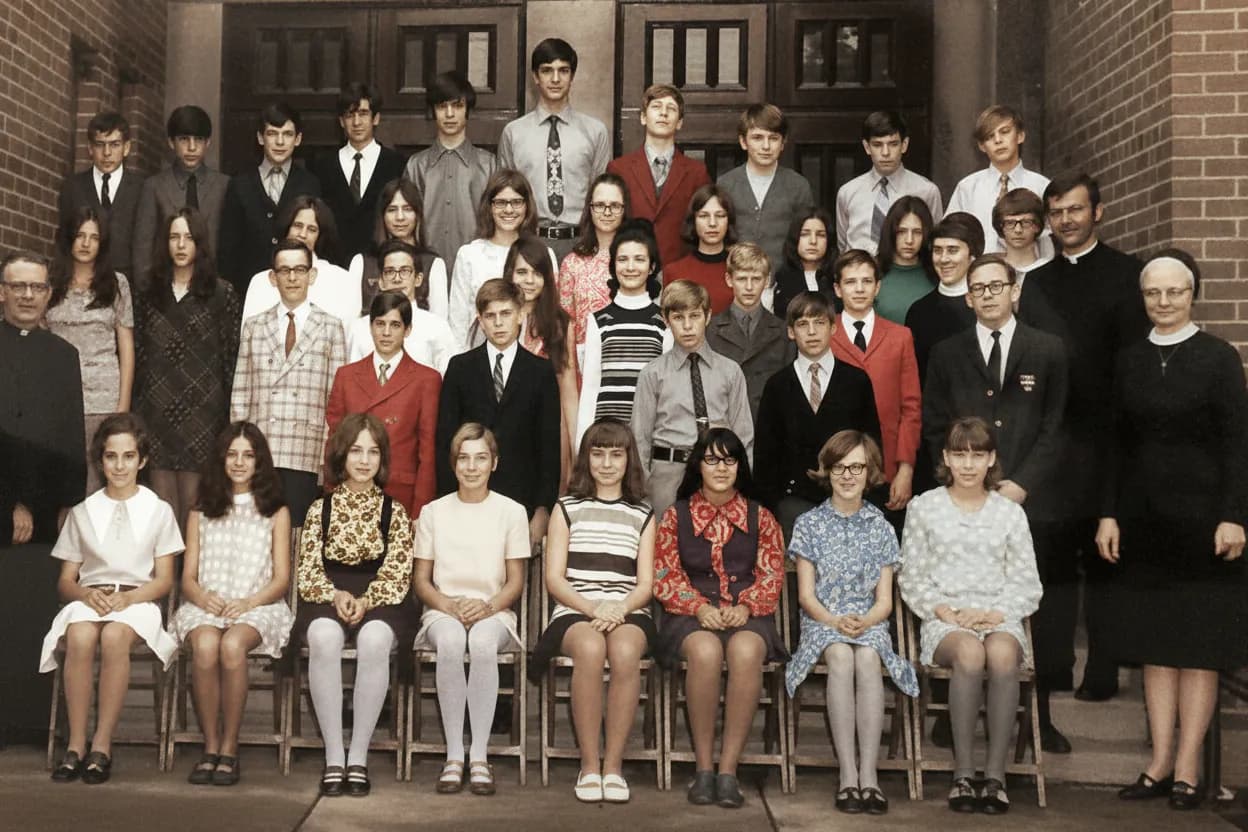
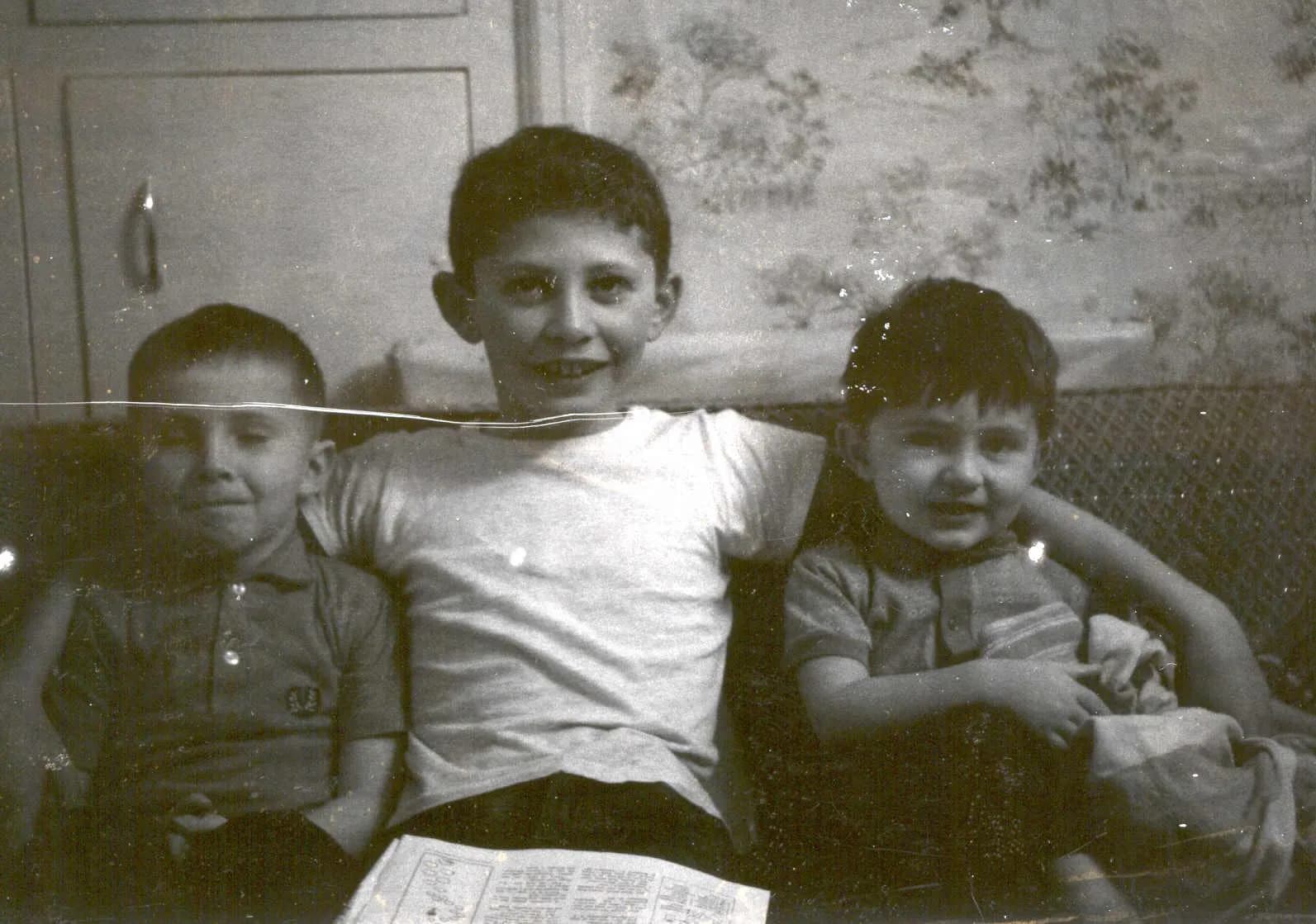
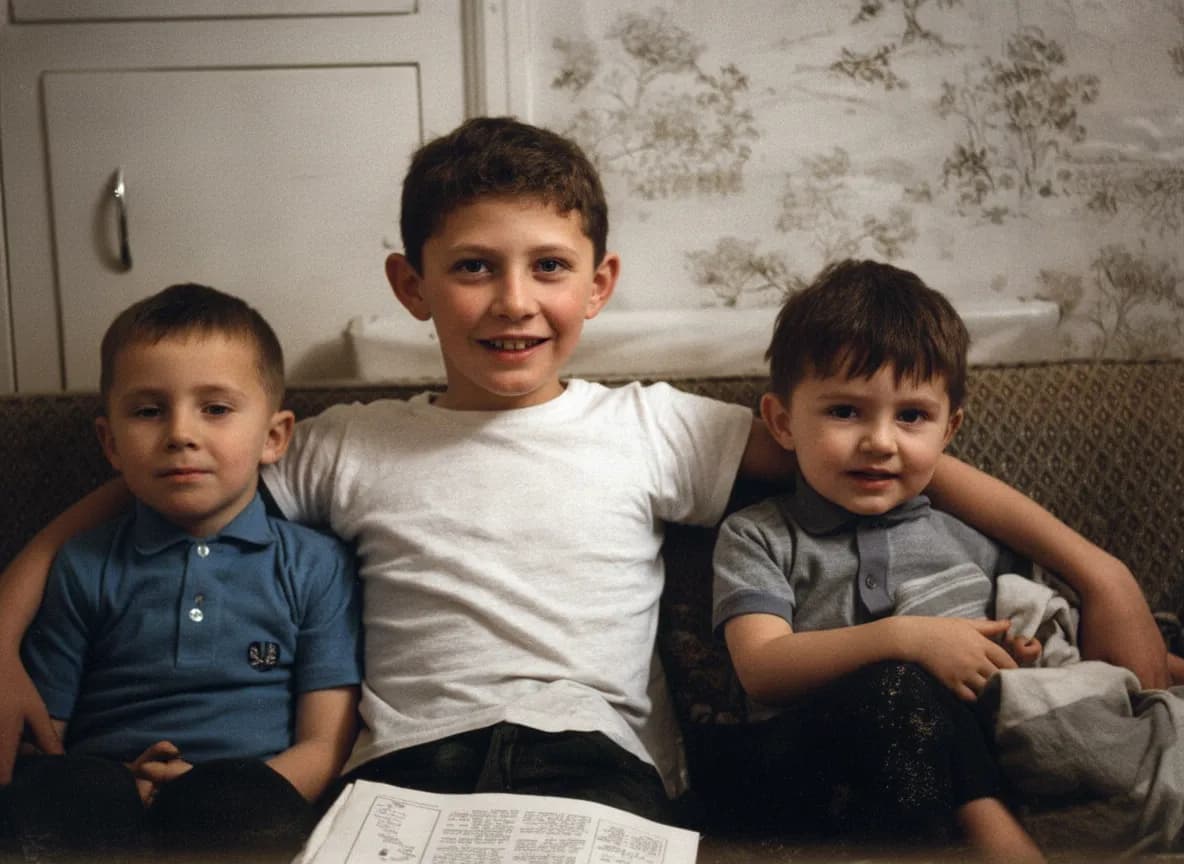
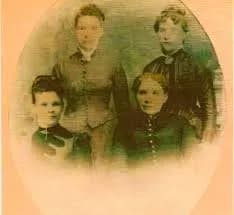
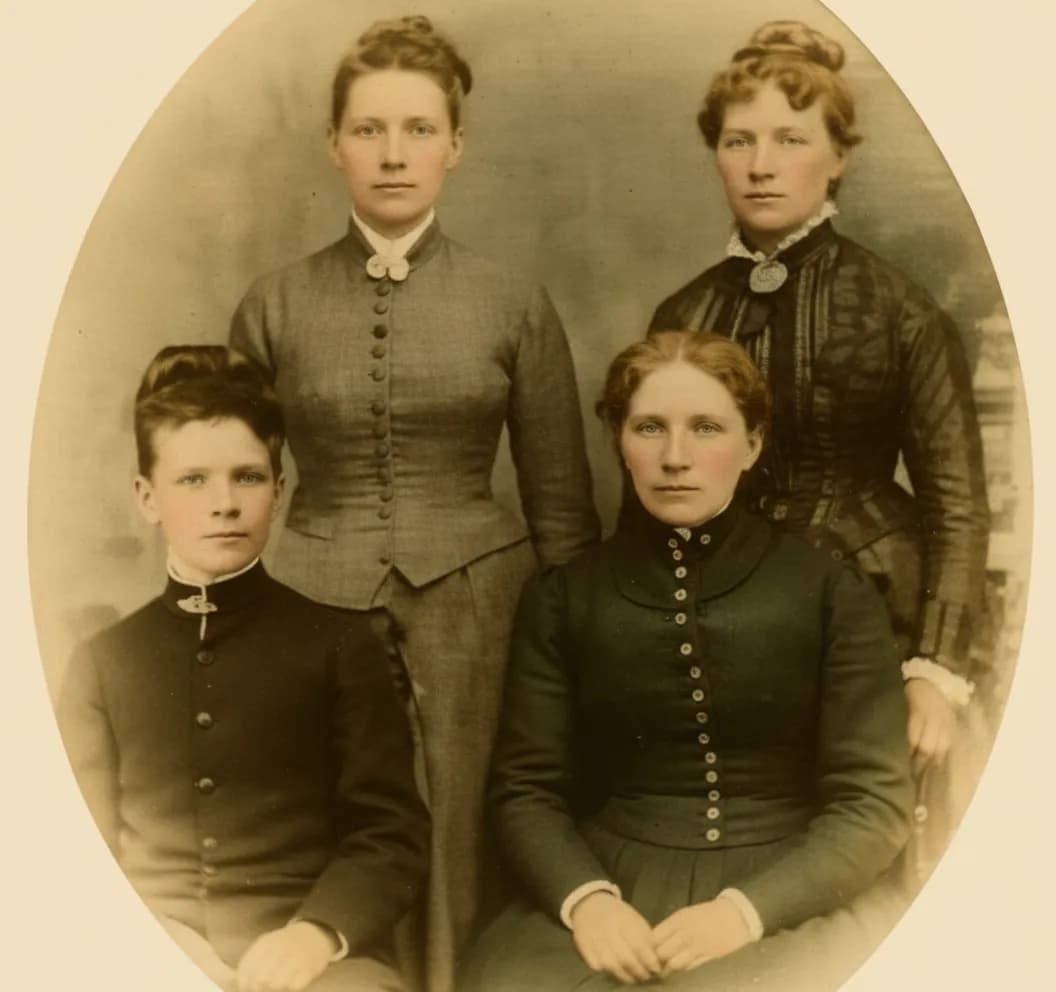
AI photo colorization has gotten dramatically better in the last few years. The best models can now produce historically plausible skin tones, fabric colors, and natural scenery from black and white photos with very little manual work. The catch is that not all colorizers are created equal: some still produce washed-out or oversaturated results, and pricing varies wildly between tools.
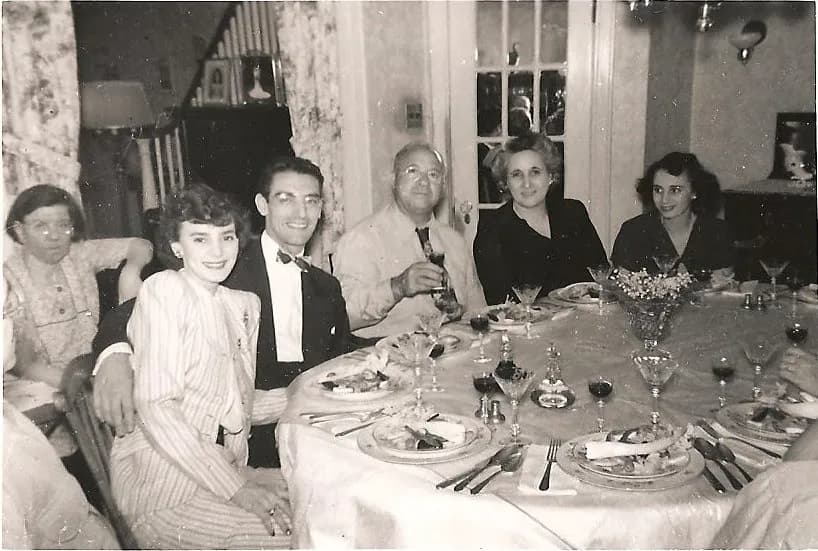
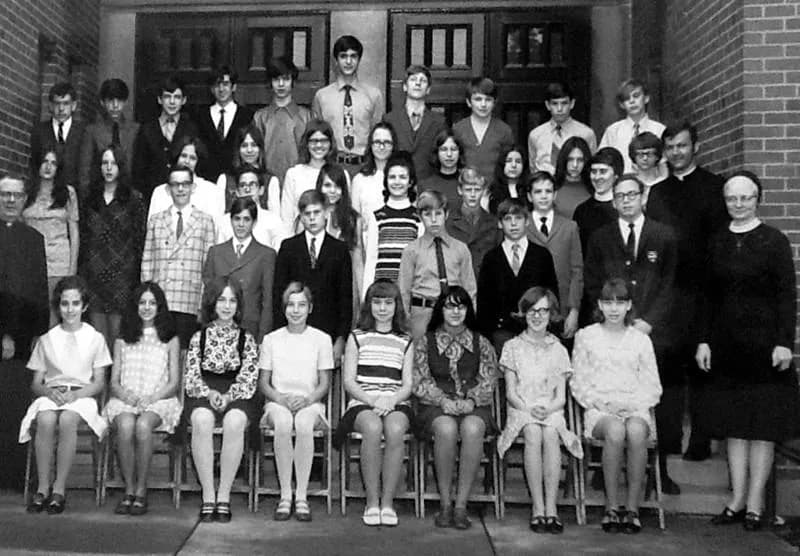
For this 2026 ranking, we tested colorization quality specifically on old black and white family photos: portraits, group shots, weddings, and outdoor scenes from the 1900s through 1970s. We looked at how natural skin tones appeared, how realistic the background colors were, and whether the tool produced consistent results across multiple photos in the same session.
As with our restoration ranking, full disclosure: RestorePhotosApp is our tool, and we ranked it first. We did try to be honest about competitors. MyHeritage In Color is genuinely excellent and has been in this market longer than most. Palette.fm is a beautiful niche tool. The ranking reflects what we believe is the best overall fit for most people colorizing old family photos at home.
Why AI colorization finally crossed the threshold
For most of the last decade, AI colorization was a fascinating tech demo that almost worked. The early models (mostly variations on convolutional networks trained to predict color channels from grayscale input) could turn a black-and-white photo into something colored, but the colors were tentative, washed out, and often confidently wrong about things the model had no way to know. Skin tones came out grey or vaguely sunburnt. Skies turned cement-coloured. Foliage looked like a faded postcard. The output was undeniably colored, but it rarely looked like a real photograph.
Two shifts changed that. First, the models got much larger and the training data got much more diverse. Modern colorizers have effectively seen tens of millions of paired examples of real-world scenes in color, which gives them a much better intuition about what the world is supposed to look like. Second, the architectures shifted from pure pixel-prediction toward systems that understand the scene at a higher level: this is grass, this is human skin in indoor lighting, this is wool fabric, this is asphalt at dusk. Once the model can identify what something is, picking a plausible color for it becomes much easier.
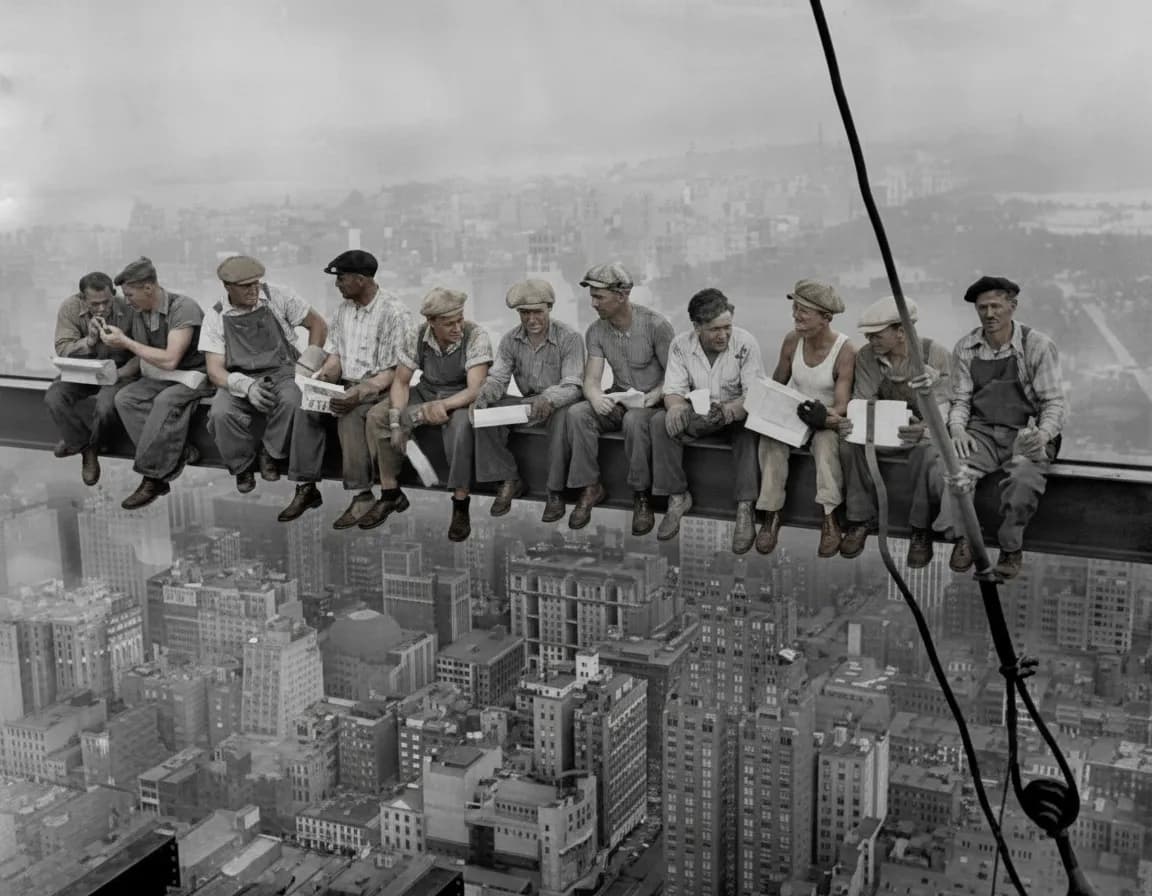
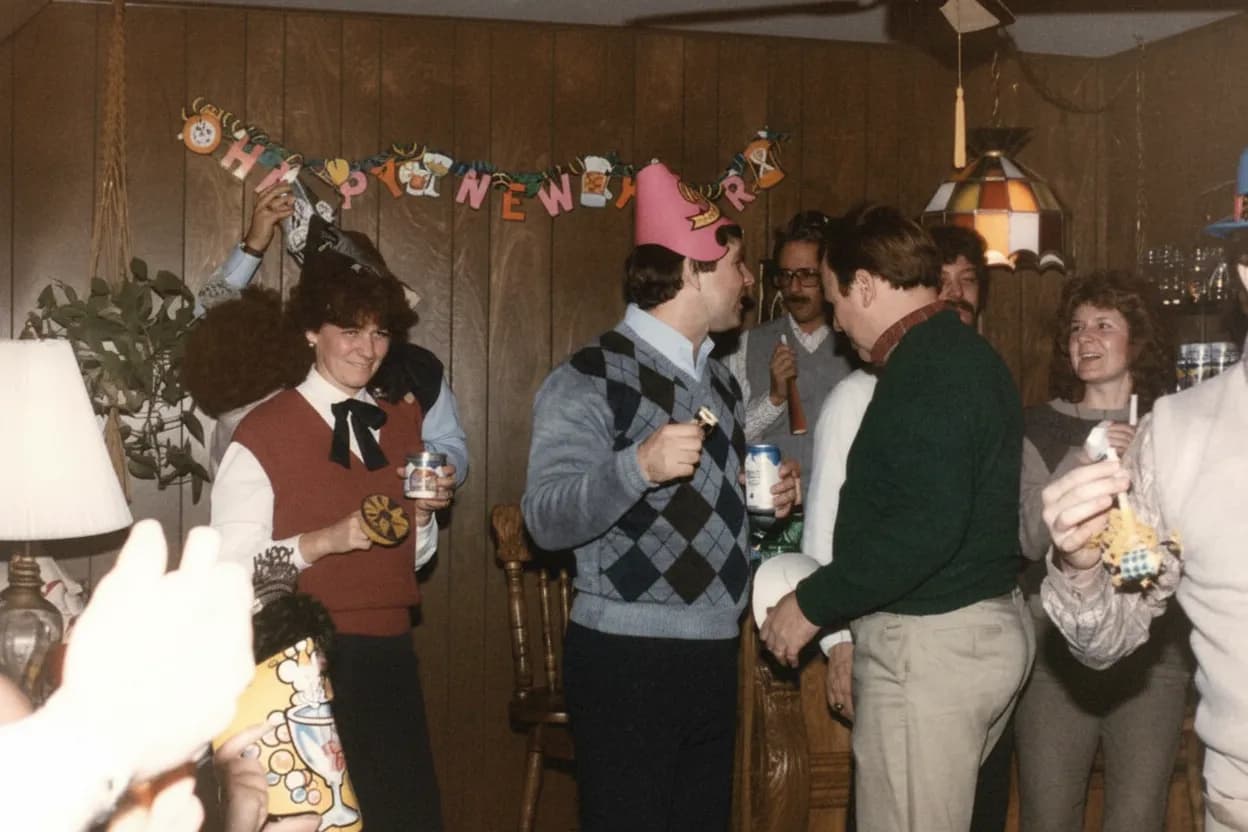
The result, by 2025, was that the top colorizers stopped looking like a clever filter and started looking like the photographer had actually used color film. Not perfectly accurate to the original scene, because no model can know what color your grandmother's wedding dress actually was, but plausible, consistent, and aesthetically convincing. That is the threshold this category had to cross to become genuinely useful for family photos, and it has crossed it. The remaining differences between the top tools are mostly about workflow, pricing, and whether the colorization happens alongside other restoration tasks or as a standalone step.
What actually makes a good colorization model
When you compare two colorization tools side by side on the same photo, the obvious things to look at are the colors themselves. Are the skin tones natural? Do the leaves look like leaves? Is the sky an appropriate blue? Those are reasonable questions and they correctly identify the most basic failure modes. But once you get past tools that fall apart on the basics, the more interesting questions are about consistency and restraint.
Consistency is whether the model treats the same surface the same way across the photo. A weak colorizer will often pick a color for one part of a wall and a different color for the part of the same wall behind a person. It will give one face a pinkish skin tone and the face right next to it a more sallow one even though both subjects are standing in the same light. It will sometimes get the sky and the water inverted, painting the water blue and leaving the sky greyish. These are the small tells that something is wrong even when the colors are individually plausible.
Restraint is the harder skill. A good colorization model knows when to commit and when to stay neutral. If a piece of fabric could plausibly be five different colors and the model picks one confidently, that confidence will sometimes be wrong in a way that ruins the photo. A more restrained model will pick a muted, neutral version that reads as plausible without insisting on a specific bright color the model cannot actually verify. The best tools have learned this balance. The weaker tools either overcommit (everything is brightly saturated) or undercommit (everything looks washed out and unconfident). When we evaluated the colorizers in this ranking, restraint was one of the things that pushed certain tools higher than their raw color quality alone would suggest.
See it on your photo
Try our #1 colorizer in 30 seconds
Upload one of your own black and white photos and see the colorized result before you read the rest of the ranking. 2 free, full-quality, watermark-free colorizations. No credit card required.
Colorize a Photo FreeThe historical accuracy myth, and why it does not matter as much as you think
A common worry about AI colorization is historical accuracy. People want to know whether the AI can actually tell that their grandmother's wedding dress was pale blue, or that their grandfather's uniform was a specific shade of khaki, or that the family kitchen really did have green wallpaper in 1962. The honest answer is that the AI cannot know any of that, because the information is not in the photo. A colorizer is making educated guesses based on patterns in its training data, not retrieving the original colors from a hidden layer of the print.
It is worth being clear-eyed about this, but it is also worth not over-worrying about it. For the vast majority of family photos, historical color accuracy is not actually what people are after. What people want is a photo of their grandmother that no longer feels like an artifact behind glass. A photo that looks like a real moment in a real room with real light, instead of a flat grey memory. The AI does not need to guess the exact dress color to deliver that. It needs to make the room look like a room, the skin look like skin, and the overall image feel alive again. On that goal, modern colorizers succeed for the same reason a thoughtful colorist working in a movie post-production studio succeeds: they make the scene plausible, not literal.
The cases where historical accuracy genuinely matters (uniforms with specific regimental colors, period-correct restoration of culturally important photos, archival work) are real, but they are also exactly the cases where you should not be relying on a fully automatic tool. For those photos, the right workflow is to use AI as a starting layer and then manually adjust the few details that matter. For everyone else, "plausible" is the goal, and "plausible" is what the top tools in this ranking now reliably deliver.
Methodology
How we actually tested these colorizers
Colorization is harder to evaluate than restoration because there is no objectively correct answer. A restoration of a faded photo can be compared against the original photographic intent: sharper, less faded, more like the moment was. A colorization is generative by nature: the model is making a plausible guess about what the original colors were. To evaluate fairly, we built a small test set that emphasized the things that actually go wrong in real-world colorization.
The test set included indoor portraits with mixed natural and artificial light, group shots with multiple people of different skin tones, outdoor scenes with grass and sky, a wedding photo with white fabric and dark suits, and a couple of trickier photos with reflective surfaces and uniforms. For each tool, we colorized the same photos with the default settings and graded the output on consistency across surfaces, naturalness of skin tones, restraint on uncertain colors, and whether the result looked like a coherent photograph or a colored-in line drawing.
We also paid attention to the workflow itself. Some colorizers handle damage and color in the same step. Others assume the photo is already restored and only do colorization. For old family photos, the combined-workflow tools have a real advantage because the alternative is running every photo through two different tools, paying for both, and dealing with the friction of moving files between them. That workflow advantage is part of why our ranking favors tools that combine colorization with restoration in a single pass.
For the full breakdown of our test photos, scoring criteria, and how we handle our own bias, see how we test photo restoration tools.
What we evaluated
Color accuracy on skin tones
Whether human skin looks natural across different ethnicities and lighting conditions, not orange or grey.
Background and scenery realism
How plausible foliage, sky, fabric, and architectural details look in colorized output.
Free tier and watermarks
Whether you can actually try the colorizer on a real photo before paying, and whether output has watermarks.
Pricing transparency
One-time vs subscription, total cost for 50–150 photos, hidden fees.
Output resolution
Whether the colorized output is high-resolution enough for printing and framing.
Combined restoration
Whether the tool can also restore damage and sharpen blur in the same workflow.
At a glance
Quick comparison: 2026 AI photo colorizers
A scannable side-by-side of every tool we tested, with our pick highlighted. Use it to shortlist the right colorizer in 30 seconds, then dive into the full reviews below.
| Tool | Pricing | Free tier | Best for |
|---|---|---|---|
RestorePhotosAppOur pick | $6.99–$29.99 one-time | 2 free, no watermark | Old family photos at home |
MyHeritage In Color | ~$129+/year (bundled) | ~10 items free | Active genealogy subscribers |
Palette.fm | Free + monthly tiers | Limited free use | Creative palette control |
Remini | Subscription only | Watermarked | Mobile colorizing on phone |
DeepAI Colorization | Free + API credits | Yes (basic) | Developers integrating an API |
Hotpot.ai | Mixed credits + tiers | Limited | Existing Hotpot.ai users |
DeOldify (open source) | Free (run yourself) | Free locally | Technical users running Python |
Skip the comparison shopping
2 free colorizations · No watermark · No credit card
The ranking
The seven tools we ranked
RestorePhotosApp
Our pickBest overall for colorizing old family photos
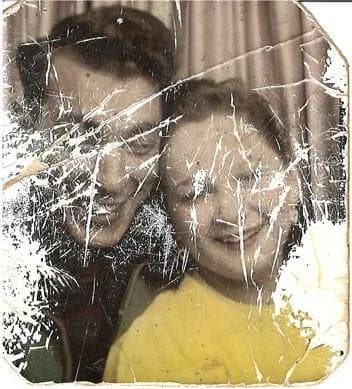
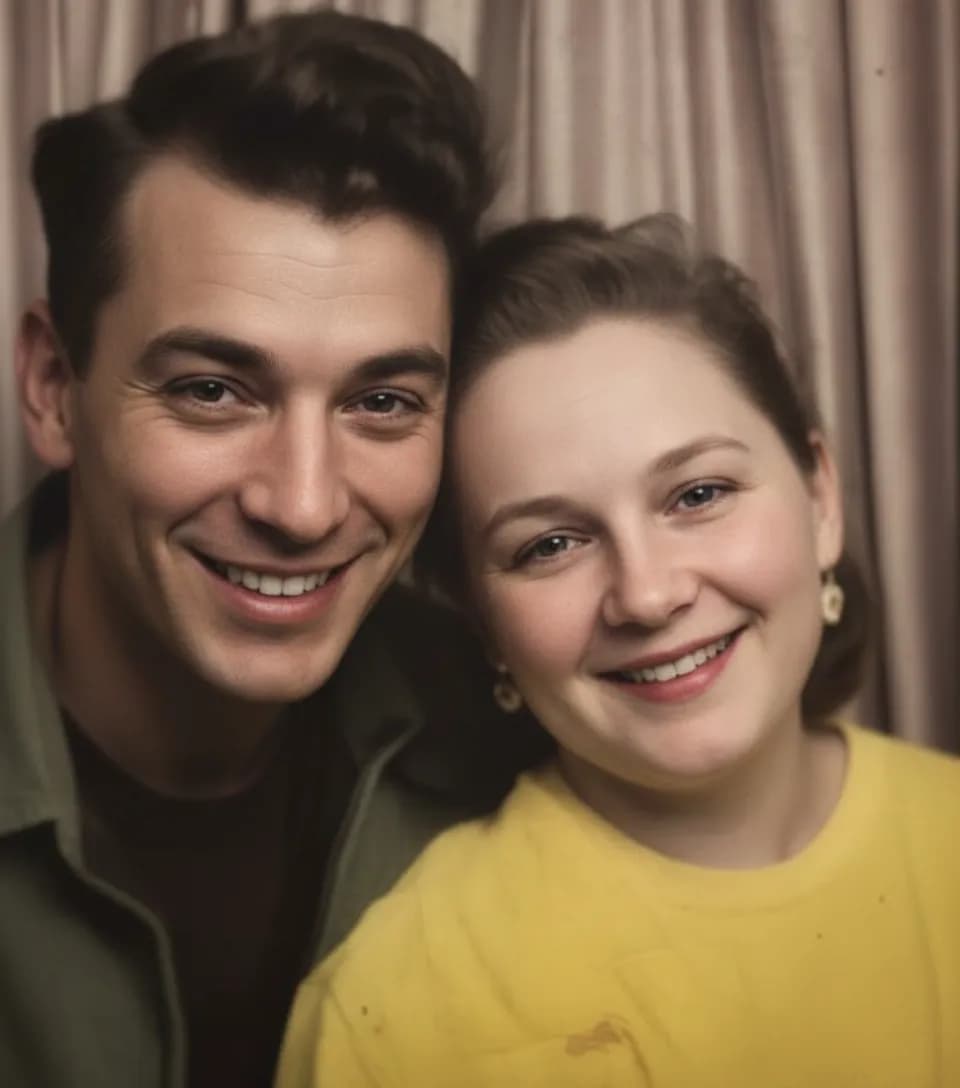
RestorePhotosApp colorizes black and white photos with a modern AI model and combines colorization with restoration in the same workflow. Fading, scratches, blur, and color loss are all handled in a single click. You upload the original scan, pick the colorize style, and download a fully restored, fully colorized version a moment later. For the typical workflow of "I have a stack of old black and white family photos and I want them in color," this saves a meaningful amount of time and friction compared to running two separate tools.
The free tier includes 2 full-quality, watermark-free colorizations with no credit card. Paid credits are one-time, never expire, and start at $6.99. The Family plan works out to about 60 cents per photo, which for a finite project usually costs less than the month or two of subscription you would otherwise pay and then have to remember to cancel. The privacy policy is direct: photos are stored privately, are not used for training, and are deleted after 30 days.
The honest weakness is the same as our restoration ranking. RestorePhotosApp is tuned for photos with people in them. Group shots, weddings, portraits, school photos, and family scenes all come out very well. Pure landscape photography, still lifes, and architectural records are not the model's strongest territory. For the specific job of colorizing old family photos at home, the combination of generous free tier, predictable pricing, and combined restoration makes it our top pick.
Pros
- +2 free, full-quality, watermark-free colorizations
- +Combines colorization with restoration in one click
- +One-time pricing, no subscription
- +Credits never expire
- +Works in any browser, no install
- +30-day money-back guarantee
Cons
- −No native mobile app (works in mobile browsers)
- −Focused on photos with people (best results on portraits)
MyHeritage In Color
Best if you already use MyHeritage
MyHeritage In Color was one of the first mainstream AI colorization tools, launched well before most of the competition existed, and the underlying model has had years to mature. Color accuracy on family portraits is consistently strong, and the tool handles skin tones across a wide range of subjects without falling into the obvious failure modes that plague newer or weaker colorizers. If you are choosing a colorization tool purely on raw output quality, MyHeritage is genuinely competitive with anything else on this list.
The catch is the same one that affects MyHeritage across our rankings: bundling. The photo tools are sold as part of a broader genealogy subscription, not as standalone products. If you are already a paying MyHeritage user (you have your family tree there, you take their DNA tests, you research records on the platform), the colorization is essentially included in something you were going to pay for anyway, and that is excellent value. If you only want to colorize a handful of photos and have no interest in genealogy, the price tag is hard to justify.
Workflow-wise, the integration with family trees is genuinely useful for serious family historians. A colorized photo can be attached to the relevant ancestor in one click, and the colorization sits next to the original in the same place where you store everything else about that person. For someone building a structured family history, that is real value. For someone who just wants colored copies of three old photos to print for a parent's birthday, it is a lot of platform for the job.
Pros
- +Mature, well-tested colorization model
- +Strong color accuracy on family portraits
- +Tightly integrated with family trees
- +Trusted brand in family history
Cons
- −Photo tools not sold separately
- −High subscription cost just for colorization
- −Limited free tier
- −Locks you into the MyHeritage ecosystem
Want a closer look? Read the full MyHeritage In Color vs RestorePhotosApp comparison →
Palette.fm
Best for creative control over colors
Palette.fm is a niche colorizer with a unique strength: you can guide the colorization with text prompts and pick from different palette styles. Want a warm 1970s look? A cool, neutral documentary feel? A specific aesthetic borrowed from a particular era of film stock? Palette.fm lets you nudge the model in a specific direction rather than accepting whatever the default produces. For users who care about creative control as much as historical plausibility, this is a meaningful difference.
The interface itself is one of the most polished in the category: a clean, minimalist web app that makes the prompt-driven workflow feel natural rather than technical. The free tier lets you experiment a bit before committing, and the paid tiers add up if you do many photos but stay reasonable for casual creative use. For artists, designers, and people who want to apply a specific aesthetic intentionally, it is one of the best tools in this category.
For pure family photo work, Palette.fm is competent but slightly outside the main use case. The tool is built for creative expression more than historical reconstruction, and it does not combine colorization with damage restoration the way some of the more workflow-focused tools do. If you are colorizing a hundred old portraits and you want each one to come out looking natural and consistent with no thinking, a simpler tool will save you time. If you want fine creative control over fewer photos, Palette.fm is the right pick.
Pros
- +Text prompts for color guidance
- +Multiple palette styles to choose from
- +Strong artistic results
- +Beautiful, polished web interface
Cons
- −Subscription model for heavy use
- −Free tier is limited
- −Less focused on historical accuracy
- −No combined restoration in the same workflow
Remini
Best mobile colorizer
Remini's mobile app includes a colorization feature alongside its much better-known face enhancement tools. The colorization quality is solid (not as polished as the dedicated colorizers higher on this list, but well above the floor for the category), and the mobile UX is the best in class. If you do all your photo work on your phone and you want one app that handles selfie enhancement, restoration, and colorization without making you bounce between tools, Remini is genuinely convenient.
The same caveats from our restoration ranking apply here. The product is subscription-only, the free tier applies a watermark, and the experience is built around modern phone capture rather than careful work with scanned old photos. On modern photos, that bias is fine. On vintage prints, you sometimes feel like the model is trying to make the photo look like a phone picture rather than respecting that it is a piece of history. The results are usable but rarely the best you can get for the specific photo.
If you are already a Remini subscriber for face enhancement and colorization is a bonus feature, you will be reasonably happy with the colorization output. If colorizing old family photos is your primary goal, a desktop-first tool with a real free tier on your own photos will give you better results and a clearer sense of what you are paying for.
Pros
- +Best mobile app experience
- +Solid colorization quality
- +Combined with face enhancement
- +Available in app stores worldwide
Cons
- −Subscription only, no one-time option
- −Free tier applies watermarks
- −Mobile-first (limited desktop)
- −Can over-process portraits
Want a closer look? Read the full Remini vs RestorePhotosApp comparison →
DeepAI Image Colorization
Best free API option
DeepAI offers a free image colorization API that developers can call directly. The model itself is older than the cutting-edge commercial tools. Quality is moderate and you can usually tell, by 2026 standards, that the colorization is not from the current generation. But for a free API you can hit from your own scripts, it is genuinely useful, and the integration is so simple that you can get it working in a few minutes.
For non-technical users, the web interface is bare-bones compared to dedicated colorizers: there is essentially no workflow, no batch processing, and no facility for combined restoration. The output is what the model produces, take it or leave it. For developers prototyping a feature, doing quick experiments, or building a custom internal tool that needs colorization as one step in a longer pipeline, DeepAI is a sensible choice precisely because it stays out of the way.
We rank it here rather than ignoring it because the developer use case is real and a free API has value that polished consumer tools cannot offer. For "I want to colorize my grandparents' wedding photo," it is not the right pick. For "I am building an app that needs to colorize images and I want to ship a v1 in an afternoon," it is one of the few honest free options in the space.
Pros
- +Free tier for casual use
- +Direct API access
- +Simple integration for developers
- +No subscription required
Cons
- −Quality lags top commercial tools
- −Bare-bones web interface
- −Not optimized for old family photos
- −Limited support and documentation
Hotpot.ai
Best as part of a creative AI suite
Hotpot.ai includes a colorizer alongside dozens of other AI creative tools: art generators, headshot makers, background removers, restoration tools, AI logo design, and a long list of others. The colorization is a competent feature inside a much broader creative platform, not the centerpiece of the product. It works, the output is reasonable, and it stays out of the way. The appeal is having one tool with one login that can handle a wide range of creative AI tasks instead of bouncing between specialists.
On colorization specifically, the quality is fine but not at the level of the dedicated colorizers higher in this ranking. That is not really a flaw. The product is built for breadth, not for being the best in any single category. If you find yourself using Hotpot.ai for several other creative tasks during the week and you want to add some old photo colorization to the mix, the bundle is convenient and the marginal cost is low.
For users whose primary job is colorizing old family photos and nothing else, a focused colorizer will produce noticeably better results and a smoother workflow. For users who already use Hotpot.ai or who want a single platform for many creative AI tools, it is a sensible inclusion in the toolkit.
Pros
- +Bundled with many other AI tools
- +Flexible free and paid options
- +Web-based, no install
- +One platform for many tasks
Cons
- −Generalist quality on colorization
- −Pricing varies by tool
- −Less optimized for old family photos
- −UI complexity from many tools
Want a closer look? Read the full Hotpot.ai vs RestorePhotosApp comparison →
DeOldify (open source)
Best free option for technical users
DeOldify is the original open-source colorization model from Jason Antic that helped popularize AI colorization in the late 2010s. It is free, runs locally if you can set up Python, and is the foundation that several commercial colorizers were built on or inspired by. For technical users who want full control and zero cost, DeOldify on a free Google Colab notebook is a viable option that produces results well above what its zero-dollar price tag would suggest.
The user experience is bare-bones in the way most academic open-source projects are bare-bones. There is no polished UI. Setup involves Python, dependencies, model weights, and a willingness to read documentation that was last updated when you were a slightly different person. The Google Colab option removes most of the local setup but adds queueing, session timeouts, and the general experience of using a research notebook rather than a product.
We include it specifically to acknowledge that the underlying AI colorization technology has open-source roots and does not have to cost anything if you are willing to do the work yourself. For most readers, that work is more friction than the price of a polished commercial tool is worth. For developers, researchers, and tinkerers, DeOldify is genuinely viable and produces results that are impressive given the price.
Pros
- +Completely free
- +Open source, run locally for privacy
- +Foundational model in the space
- +Available on free Google Colab
Cons
- −Requires technical setup
- −No polished user interface
- −No support or guarantees
- −Slower than commercial alternatives
Bottom line
The bottom line
AI colorization in 2026 is a category where the top three or four tools are genuinely close on raw output quality, and the differences that matter are workflow, pricing, and how confidently each tool handles the specific job of old family photos. If you are colorizing a finite stack of old photos at home, the right pick is almost always a focused tool with a real free tier on your own photos and one-time pricing that does not turn into a recurring charge.
If you are a MyHeritage subscriber, the bundled colorization is excellent and effectively free as part of what you are already paying. If you want creative control over the color palette and you care about the artistic side as much as the historical side, Palette.fm is the most interesting niche pick. If you live on your phone, Remini is the best mobile experience even though the subscription model is not ideal for finite projects.
For everyone else (and this is most readers), the recommendation is the same as in our restoration ranking: pick a focused tool, try a couple of free colorizations on photos that actually matter to you, and only pay for credits after you have seen what the tool produces on your own images. The free tiers exist for exactly this reason. Do not subscribe to find out if the quality is good enough. The tools confident in their own work give you a real preview before any payment.

“My grandma cried when she saw her wedding photo restored. Absolutely incredible.”
Maria K.

“Uploaded a blurry photo from the 70s and got back a crystal clear image. Like magic.”
James T.

“Finally recovered old family photos I thought were lost forever. So easy to use.”
Sarah M.
See the difference on your own photos
No watermark · No subscription · From $6.99
FAQ
Frequently asked questions
What is the best AI photo colorizer in 2026?
For most people colorizing old family photos at home, we recommend RestorePhotosApp because it combines colorization with restoration in one workflow, has a generous free tier with no watermark, and uses one-time pricing. For active MyHeritage genealogy users, MyHeritage In Color is an excellent bundled option. For artistic control over color palettes, Palette.fm is the best niche pick.
Can AI colorize black and white photos accurately?
Modern AI colorizers produce historically plausible results on most family photos: natural skin tones, realistic foliage, and reasonable fabric colors. They are not 100% historically accurate (the AI cannot know that your grandmother's wedding dress was specifically pale blue), but they produce results that look natural and often surprisingly close to real colors based on context.
Are there free photo colorizers that work?
Yes. RestorePhotosApp gives 2 free, full-quality, watermark-free colorizations per account with no credit card. DeOldify is free if you are technical enough to run open-source Python tools. Most other "free" tools include watermarks, low resolution, or daily limits that make them hard to use on real photos.
Do I need to restore my photo before colorizing it?
It depends on the tool. With RestorePhotosApp, the colorize style automatically handles fading, blur, and minor damage in the same step, so you do not need to run two passes. With most other colorizers, you should restore the photo first to remove scratches and damage, then colorize the cleaned-up version for best results.
How much does it cost to colorize a black and white photo?
Costs vary widely by tool. RestorePhotosApp charges as little as $0.55 per photo on the Family plan. MyHeritage charges $129+ per year for bundled access. Palette.fm and Remini use subscriptions starting around $5–$10 per month. Open-source tools like DeOldify are free if you can run them locally.
Are colorized photos still the originals?
No, colorization always creates a new derivative file. Your original black and white photo is never modified. Most users keep both the original and the colorized version side by side for comparison and reprinting.
Can I reprint a colorized photo as a framed gift?
Yes. RestorePhotosApp and other top colorizers download in full resolution suitable for printing at any common frame size. Many users colorize old wedding or military photos specifically as gifts for parents and grandparents.