On this page
Quick verdict
MyHeritage In Color is great if you are already paying for a MyHeritage genealogy subscription and want photo tools as a bundled extra. If you only want to colorize and restore old photos without subscribing to a full genealogy platform, RestorePhotosApp is dramatically cheaper and just as capable for the colorization itself.
Choose RestorePhotosApp
Best for standalone photo colorization and restoration without a yearly subscription.
Choose MyHeritage In Color
Best for active genealogy users who already pay for a MyHeritage Complete plan.

“My grandma cried when she saw her wedding photo restored. Absolutely incredible.”
Maria K.

“Uploaded a blurry photo from the 70s and got back a crystal clear image. Like magic.”
James T.

“Finally recovered old family photos I thought were lost forever. So easy to use.”
Sarah M.
See the difference on your own photos
No watermark · No subscription · From $6.99
The bundling trap of genealogy platforms
MyHeritage is a serious genealogy company. It runs DNA tests, builds family trees, indexes historical records from dozens of countries, and competes head-to-head with Ancestry and FamilySearch. Its photo tools (In Color for colorization, Photo Enhancer for sharpening, and Photo Repair for damage restoration) are real and capable, and the AI behind them is mature.
The catch is that the photo tools are not really a product on their own. They are a feature inside a much larger genealogy subscription. To get serious access to the photo tools, you need to buy MyHeritage Complete or a similar tier, which is priced for active genealogists who also want DNA matching, record search, and family tree building. If those things matter to you, the bundle is fantastic value. If you just want to colorize the photo of your grandparents on your wall, you are paying for a lot of features you will never touch.
This is the bundling trap that affects almost every "AI photo tool inside a bigger product." Adobe sells photo restoration features inside Creative Cloud. Google bundles photo tools inside Google One. MyHeritage bundles them inside its genealogy subscription. In every case, the AI itself might be excellent, but the only way to access it is to subscribe to a much larger product. If the larger product is something you need anyway, this is fine. If it is not, you are dramatically overpaying for the one feature you actually want.
Who actually owns your colorized photos?
Here is something most people do not think about until it is too late: when you stop paying a subscription to a platform, what happens to the work you created on it? MyHeritage lets you download colorized and enhanced photos to your computer, so the files are yours. But the experience of accessing your full restoration history, comparing before-and-after slides, organizing photos by family member, and re-running tools on the same image is all locked behind the active subscription. The moment you stop paying, the convenience of the platform disappears.
This is not unique to MyHeritage. Every subscription service works this way. But it matters more for photo restoration than for other categories because the photos themselves are irreplaceable. You may want to come back in three years, find that 1962 wedding photo, and re-run a newer AI model on it because the model has improved. With a subscription you cancelled, you have to re-subscribe to do that. With one-time credits that never expire, you do not.
RestorePhotosApp was built around the assumption that you should never feel locked into a relationship with a software company over photos that belong to you and your family. There is no subscription, the credits never expire, and your full restoration history stays in your account regardless of when you last bought credits. If RestorePhotosApp releases a better model in 2027, your existing credits will use that model automatically.
When MyHeritage actually is the better choice
We want to be clear-eyed about this. There is a real, well-defined audience for which MyHeritage is genuinely the best photo tool on the market: people who are actively building a family tree on MyHeritage as their primary genealogy platform. If that is you, the photo tools are not a separate purchase decision. They are part of what you are already paying for, and the tight integration with your tree (auto-tagging photos to ancestors, attaching them to record matches, sharing them with relatives in your tree) is genuinely useful.
For that audience, RestorePhotosApp is not a meaningful alternative because it does not integrate with any genealogy platform. It is a focused photo restoration tool, full stop. The output is a standard high-resolution image file you can upload to any genealogy platform, including MyHeritage, manually. That is enough integration for most people, but if you want one-click attachment to your tree, you want MyHeritage.
For everyone else (people on Ancestry or FamilySearch, people without a family tree at all, people who only care about restoring a finite set of photos for printing or sharing), the math strongly favors a focused tool with one-time pricing. You are not paying for genealogy features you will not use, and you are not locked into a yearly subscription cycle for what is fundamentally a one-time project.
Skip the research — see the result on your own photo.
No watermark. No subscription. From $6.99.
Side by side
RestorePhotosApp vs MyHeritage In Color
| Feature | RestorePhotosAppOur pick | MyHeritage In Color |
|---|---|---|
| Free tier | 2 full restorations | 10 free items, then paywall |
| Pricing model | One-time credit packs | Yearly genealogy subscription |
| Starting price | $6.99 one-time | ~$129+ per year subscription |
| Cost per photo (best plan) | $0.55 per photo | Bundled with subscription |
| Photo restoration | Yes | Yes |
| Photo colorization | Yes | Yes |
| Photo sharpening | Yes | Yes |
| Genealogy / family tree | No | Yes (core product) |
| Subscription required | No | Yes for unlimited use |
| Money-back guarantee | 30 days | Limited |
Colorizing old photos in 2026
A practical guide to colorizing black and white family photos
How to colorize a black and white photo with AI
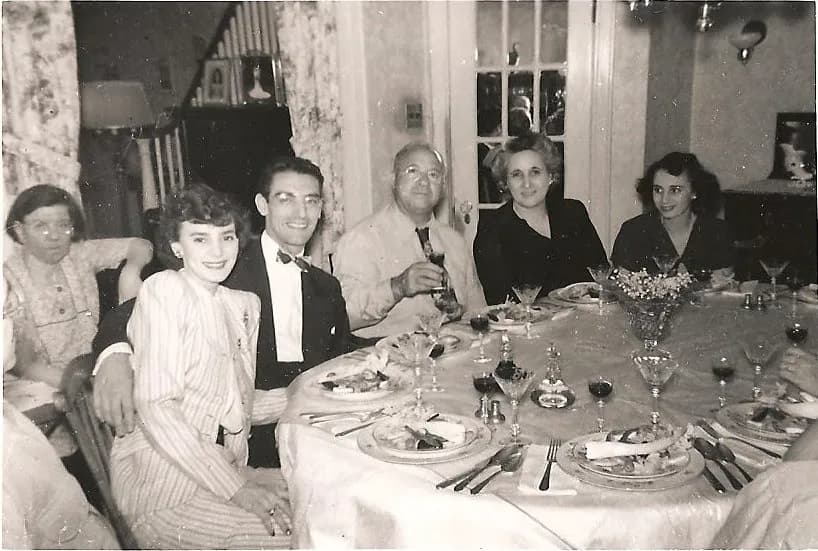
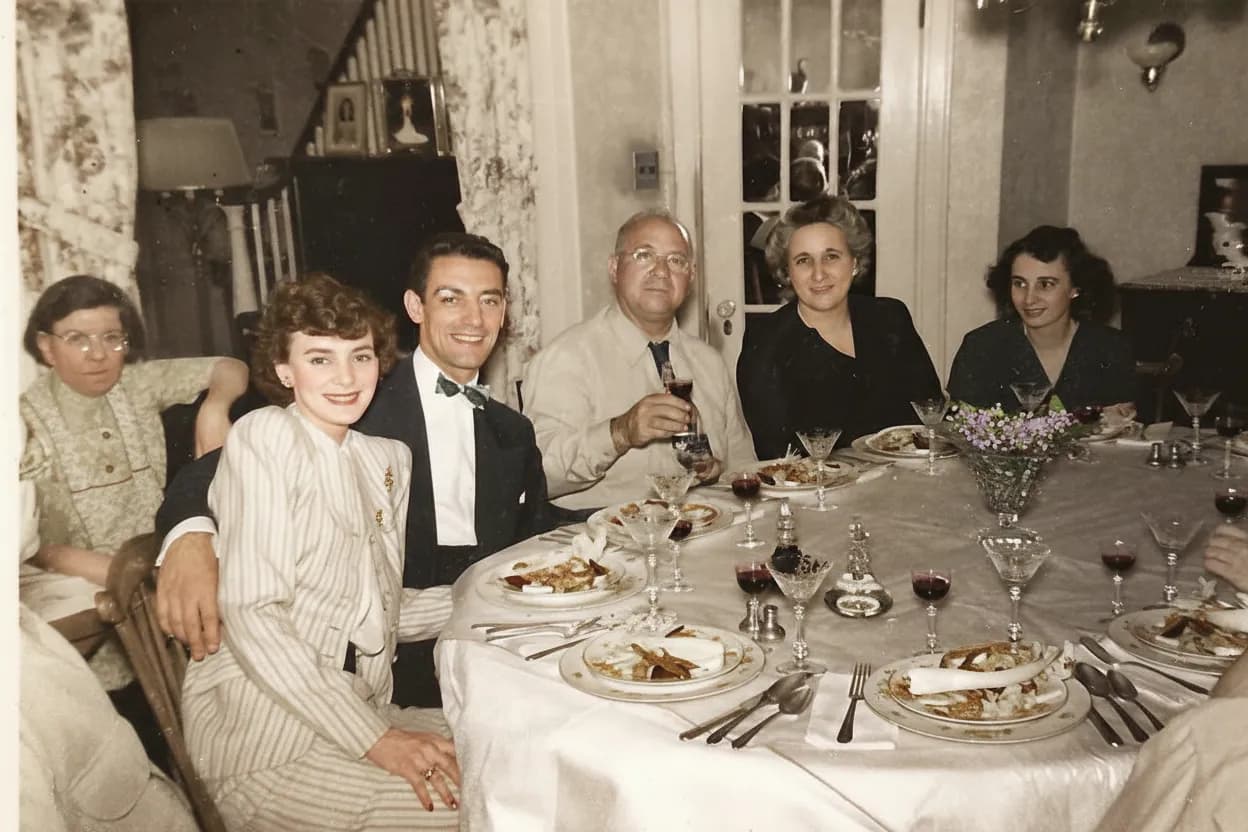
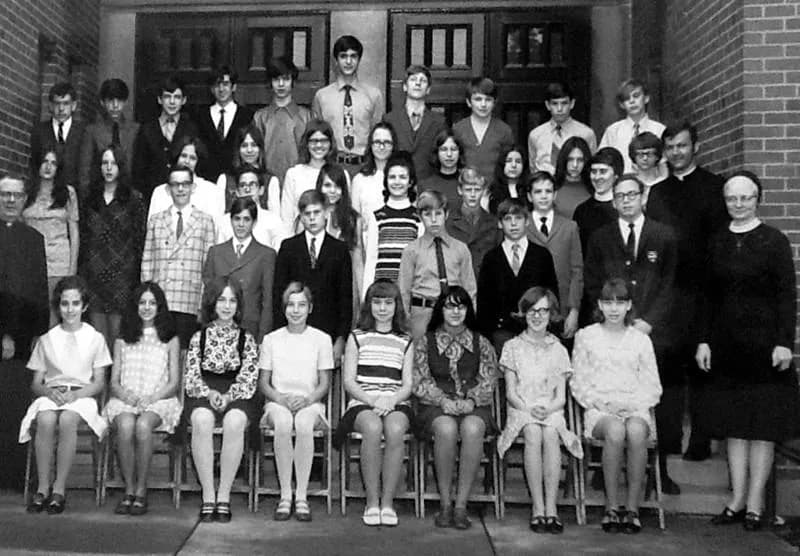
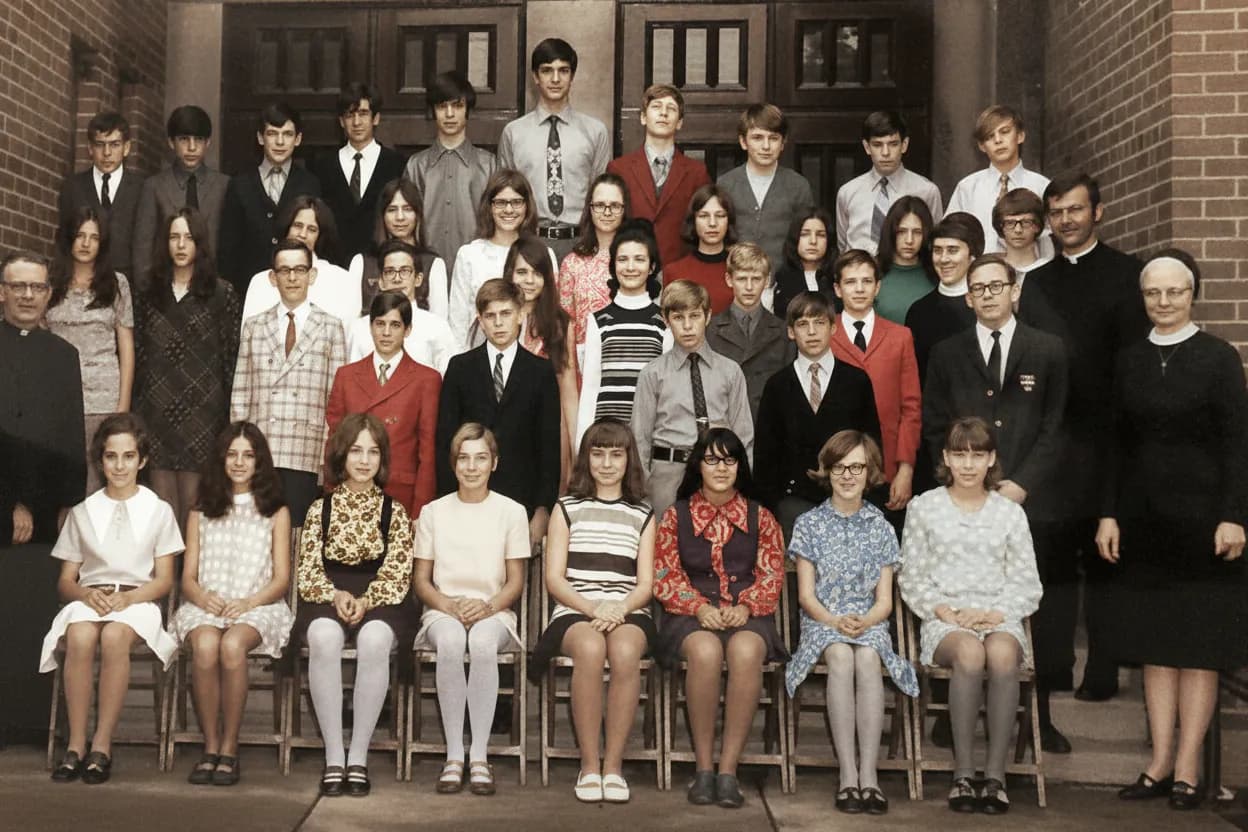
Colorizing an old black and white photo with AI is now a one-step process. You upload the original image, the model analyzes the scene to identify skin tones, clothing, sky, vegetation, and architectural elements, and a few seconds later you get back a colorized version that looks like it was shot on color film. There is no manual painting, no layer masking, and no need to know anything about historical color palettes. The AI handles all of the color decisions automatically based on what it has seen in millions of training photos.
For best results, the source file should be a clean scan rather than a phone photo of a photo. Scanners give you flat, evenly lit images that the model can analyze without compensating for shadows from the photographer's hands or screen glare. If you do not have a scanner, your phone's document scanner mode is the next best thing because it auto-flattens the image and corrects perspective. Either way, the higher the resolution of the source, the more detail the colorized output will preserve.
What makes AI colorization look natural (and what makes it look fake)
Good AI colorization gets two things right: skin tones and period-appropriate clothing. Skin is the part of the image human eyes are most sensitive to, so anything that looks waxy, flushed, or unnaturally tan reads as fake immediately. Clothing colors matter slightly less because viewers do not always know what color a 1958 Sunday dress was supposed to be, but the model still has to pick colors that feel like they belong in the era.
Bad colorization usually fails in one of two ways: skin that looks too uniform (everyone in the photo gets the same shade) or clothing that looks too bright (modern saturation applied to a vintage scene). Newer models trained on millions of historical color photographs avoid both of these problems most of the time, which is why the results from a current AI photo colorizer look noticeably better than tools from even a year ago. If you have ever tried colorization in 2022 and been disappointed, it is worth trying again with a current model on the same photo.
Printing and sharing colorized old family photos
Once a photo is colorized, the natural next step is to share it. Family group chats are the most common destination because the contrast between the original black and white and the colorized version is dramatic enough to spark conversation. Beyond that, colorized portraits print well as 8x10 framed gifts, and colorized group photos work well in memory books and milestone slideshows for anniversaries, milestone birthdays, and memorial services.
For printing, look for a tool that downloads in full original resolution rather than a downscaled preview. A high-resolution colorized output gives you enough pixels to print at standard frame sizes without visible compression. If the source scan was 300 DPI or higher, the printed result will hold up at sizes up to 11x14 for most family photos, and larger if the original print was sharp to begin with.


See the same effect on your own photos.
No watermark. No subscription. From $6.99.
Comparison information is based on publicly available product details and may change. Last updated 2026. Read how we test photo restoration tools.
About MyHeritage In Color
MyHeritage is a major online genealogy service with over 100 million users. Its photo tools, including In Color (colorization), Photo Enhancer (sharpening), and Photo Repair (restoration), are bundled inside its broader subscription product alongside DNA testing, family tree building, and historical record search.
MyHeritage In Color was one of the first AI photo colorization tools to reach mainstream popularity, and the underlying model produces solid results on black and white photos. However, the photo tools are not sold separately, so to get unlimited access you have to subscribe to a MyHeritage Complete or Premium plan, which is intended for serious genealogy users and priced accordingly.
Pros
- +Tightly integrated with MyHeritage family trees
- +Mature, well-tested AI colorization model
- +Bundled with DNA, records, and genealogy tools
- +Trusted brand in the family history space
Cons
- −Photo tools are not sold separately from the subscription
- −Annual subscription price is high if you only want photo tools
- −Free tier is limited to a small number of items
- −Locks you into the broader MyHeritage ecosystem
- −Cancelling the subscription can be friction-heavy
The alternative
Why people choose RestorePhotosApp over MyHeritage
The biggest reason people look for a MyHeritage In Color alternative is the bundling. If you do not actually want a genealogy subscription, paying $129+ per year just to colorize a few family photos is wildly expensive. RestorePhotosApp charges one-time prices for the photo work itself, with no genealogy product attached.
The second reason is portability. With RestorePhotosApp, your restored and colorized photos are yours, downloaded directly to your computer in full resolution, with no requirement to keep paying a subscription to access them later. You are not locked into anyone's ecosystem.
Pay only for photos, not genealogy
RestorePhotosApp is focused entirely on photo restoration and colorization. You do not pay for family trees, DNA tests, or record search you will not use.
One-time pricing
Credit packs start at $6.99 and never expire. The Family plan is $29.99 for 50 photos. Compare to MyHeritage's yearly subscription that resets every year.
No vendor lock-in
Download your restored photos in full resolution and keep them forever. There is no requirement to maintain a subscription to access your work later.
Same core capabilities
Colorize black and white photos, restore damage, sharpen blur, remove scratches: the core photo features overlap heavily.
Try free, no credit card
2 free restorations per account with no credit card required, no watermark, and full resolution.
Join 470,000+ people restoring their family photos.
No watermark. No subscription. From $6.99.
In practice
A real-world example: the genealogy gift project
Here is the situation we hear most often from people who switch to RestorePhotosApp from MyHeritage. Someone in the family (usually a parent or grandparent) has a milestone birthday coming up. The family wants to put together a memory book or a slideshow of old photos, ideally with the black and white ones colorized so younger relatives can connect with the images more easily. The project is finite (maybe sixty photos), the deadline is real (the birthday is in six weeks), and the goal is one beautiful gift, not an ongoing subscription to anything.
The natural instinct is to go to MyHeritage because it is the most famous colorization tool and the parent in question may have already used it for genealogy. But once people open the pricing page, the math stops working. A single colorization gift project does not justify a yearly subscription that will mostly go unused after the gift is delivered. The alternative is to find a tool where you can pay for exactly the work you need, do the project, and walk away.
RestorePhotosApp was specifically built for this kind of finite, gift-driven project. Buy 50 credits for $29.99, colorize all sixty photos, restore the ones that also need damage repair, download everything in full resolution, and you are done. No subscription. No reminders to cancel. The credits you do not use sit in your account for the next time someone in the family needs a similar project.
The short answer
Which one should you choose?
- You only want to colorize and restore photos, not build a family tree
- You prefer one-time pricing over yearly subscriptions
- You want to test the AI on your photos before paying
- You already use a different genealogy platform (Ancestry, FamilySearch)
- You are restoring 5 to 500 photos and want the cheapest per-photo price
- You are actively building your family tree on MyHeritage
- You want DNA testing and record search alongside photo tools
- You already pay for a MyHeritage subscription for other reasons
- You want everything in one platform and do not mind the subscription
Made your choice? Restore your first photos today.
No watermark. No subscription. From $6.99.
Bottom line
Final thoughts
MyHeritage In Color is a real product made by a real company that has been working on photo AI for years. We are not going to pretend it is bad. It is not. The colorization model is mature, the integration with MyHeritage trees is genuinely useful for active genealogists, and many users get great results from it.
The reason RestorePhotosApp exists as an alternative is that not everyone needs a genealogy subscription. If you are restoring family photos as a one-time project, as a gift, or as part of a casual family history exercise that does not involve DNA tests or record search, paying for a full genealogy platform just to access the photo tools is poor value. RestorePhotosApp solves the photo problem on its own, at one-time prices, without asking you to commit to anything else.
FAQ
Frequently asked questions
Can I use MyHeritage In Color without a subscription?
MyHeritage allows a small number of free uses (around 10 items in total) before requiring a subscription. After that, you need a paid MyHeritage plan to continue using the photo tools. RestorePhotosApp has no such cap on its credit packs.
Is RestorePhotosApp cheaper than MyHeritage?
For photo work specifically, yes. RestorePhotosApp charges $6.99 to $29.99 one-time, while MyHeritage subscriptions for full photo access typically start above $100 per year. If you only want photo colorization and restoration, the savings are significant.
Does RestorePhotosApp do colorization as well as MyHeritage In Color?
Both use modern AI colorization models with comparable quality on black and white family photos. The main difference is pricing and bundling, not the underlying capability.
Can I keep my restored photos if I stop paying?
With RestorePhotosApp, every restored photo is downloaded to your computer in full resolution and is yours to keep forever. There is no subscription to maintain to access your work.
Does RestorePhotosApp integrate with family tree software?
No. RestorePhotosApp is focused entirely on photo restoration and colorization. The output is a standard high-resolution image file that you can upload to any genealogy platform manually, including Ancestry, FamilySearch, MyHeritage, and others.
Is my photo private?
Yes. Your photos are processed securely, never used to train AI models, and automatically deleted after 30 days.