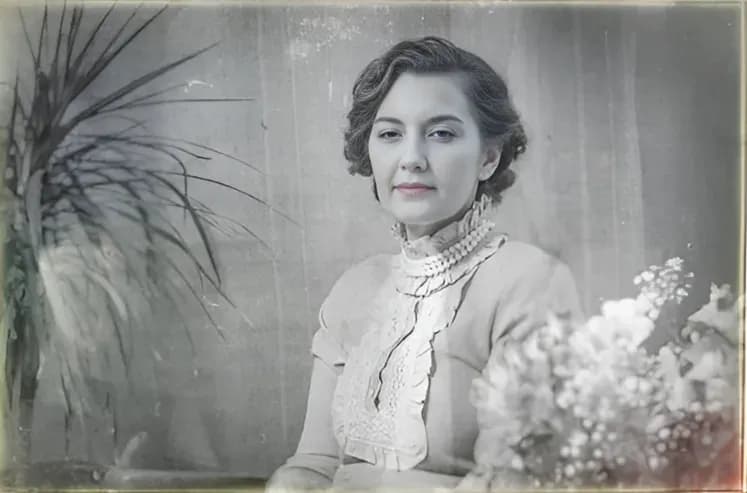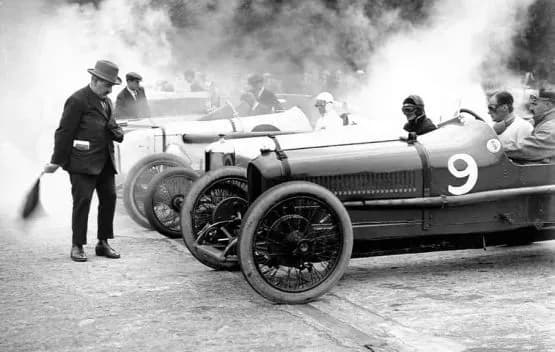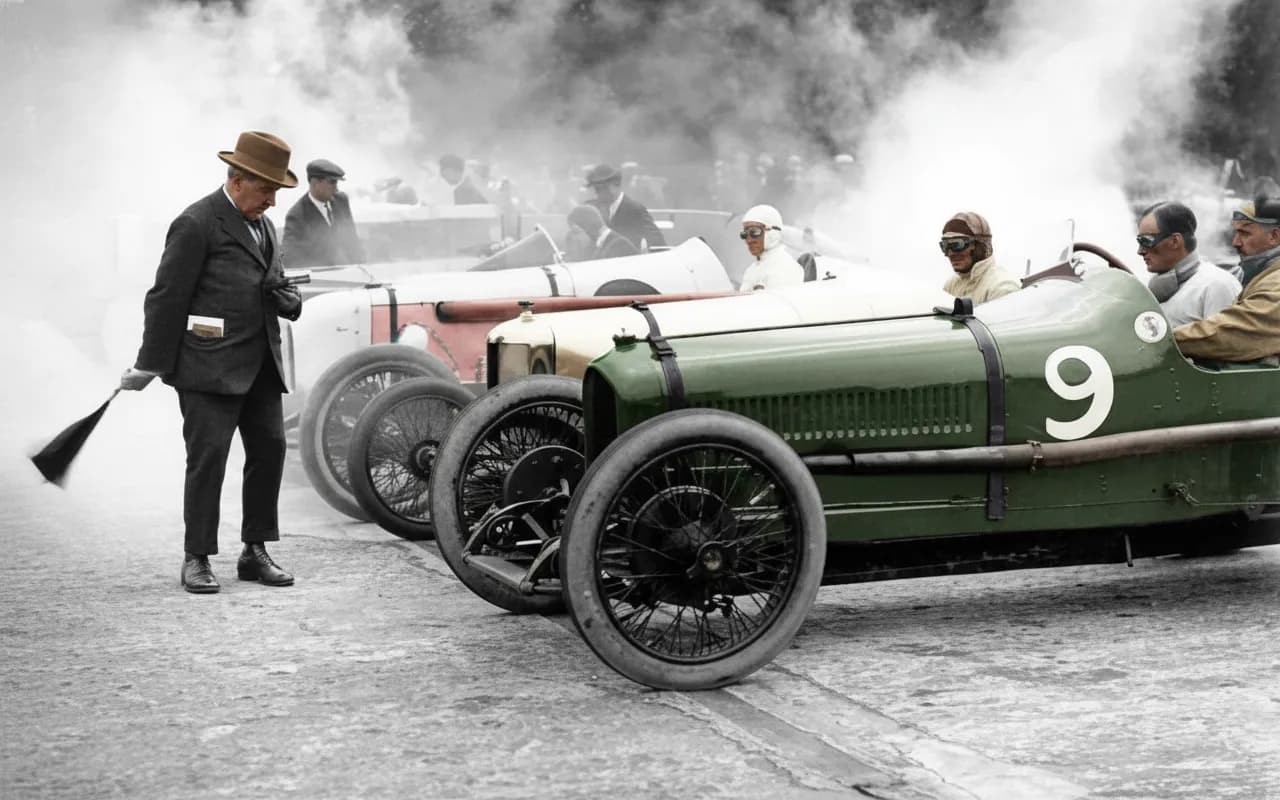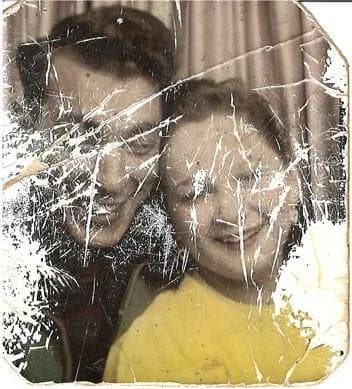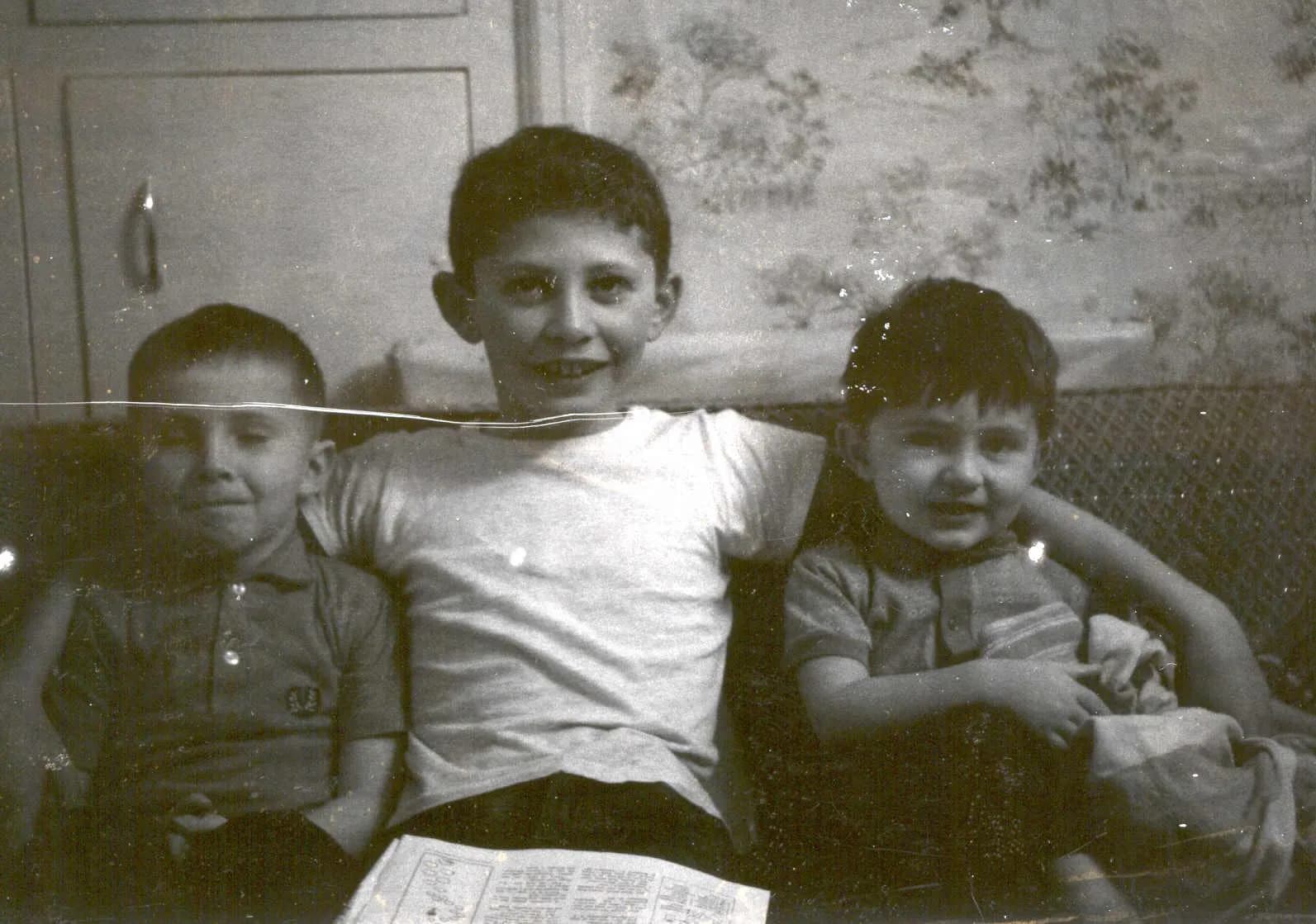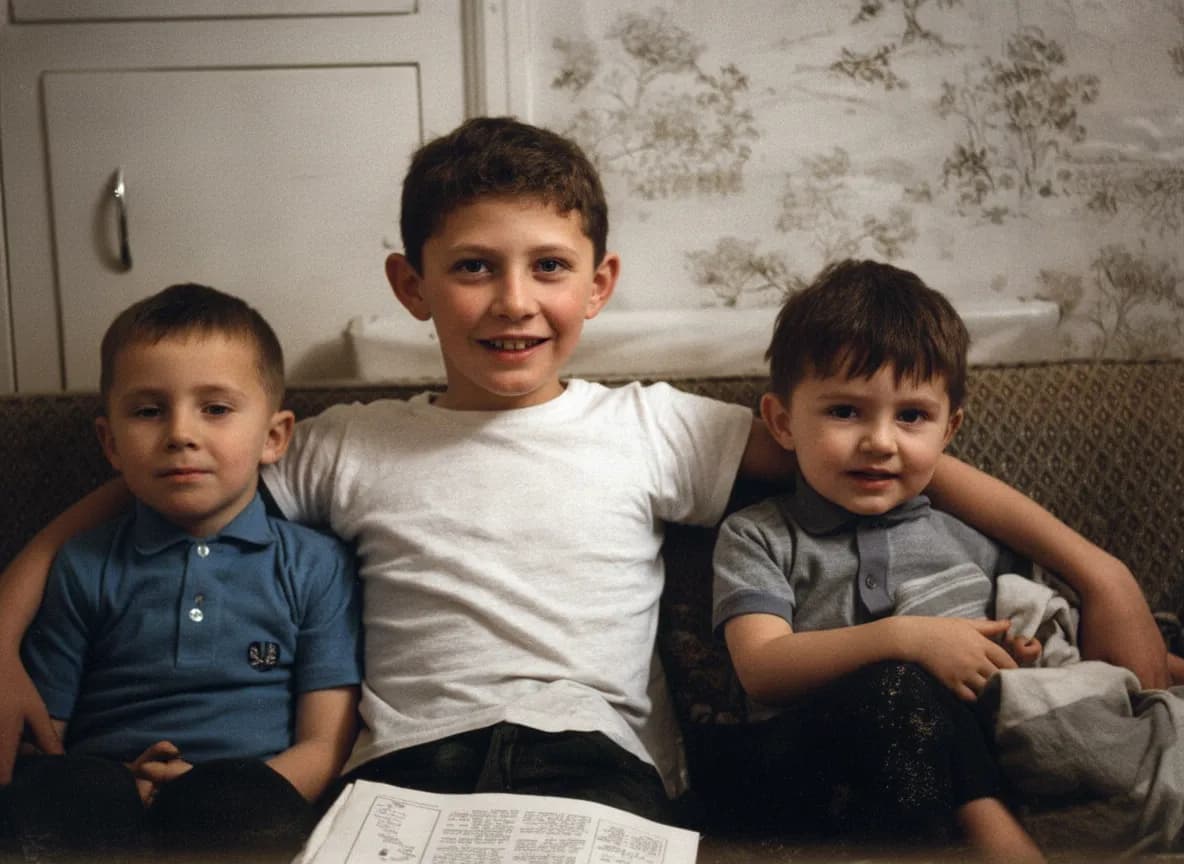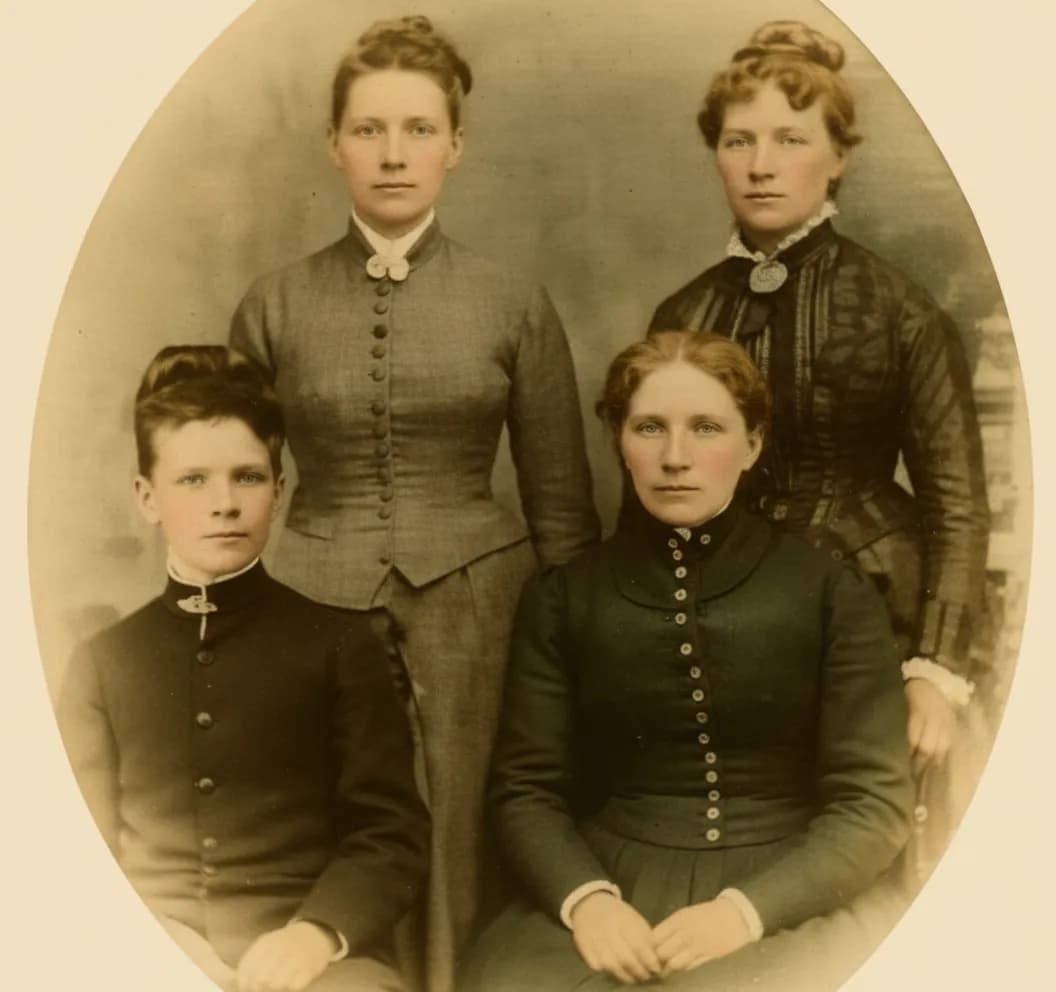
Why restore tintype photos with AI?
Tintypes were the affordable portrait format of the 1860s through 1890s. Millions survive in family collections, but oxidation and lacquer decay have obscured the images over 150+ years. AI restoration recovers details that are invisible to the naked eye, turning dark, damaged plates into clear portraits.
- Preserve the oldest photographic records of your ancestors
- Reveal facial features hidden under oxidation and tarnish
- Create printable digital copies of fragile one-of-a-kind originals
- Share restored ancestor portraits with your entire family

“My grandma cried when she saw her wedding photo restored. Absolutely incredible.”
Maria K.

“Uploaded a blurry photo from the 70s and got back a crystal clear image. Like magic.”
James T.

“Finally recovered old family photos I thought were lost forever. So easy to use.”
Sarah M.
How it works
3 simple steps.
AI Restoration
Reverse 150 years of damage.
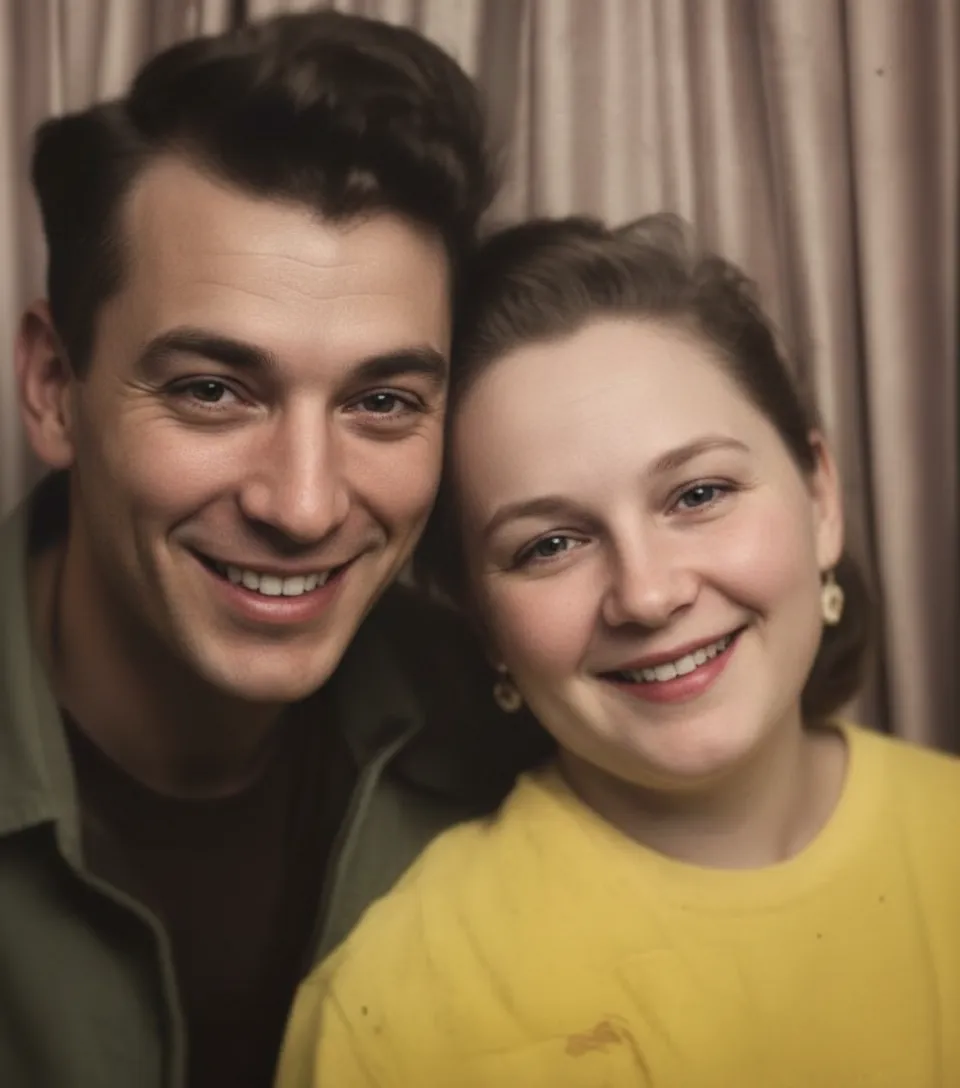
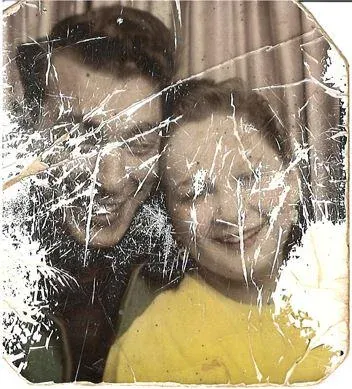
Tintypes suffer from unique degradation: oxidation darkening, lacquer cracking, and surface bending. Our AI was trained to recognize these patterns and reverse them, recovering facial details hidden under decades of tarnish.
- ✦Reverses oxidation and tarnish darkening
- ✦Removes lacquer cracks and surface artifacts
- ✦Restores facial features lost to age
Easy to Use
Upload. Restore. Download.
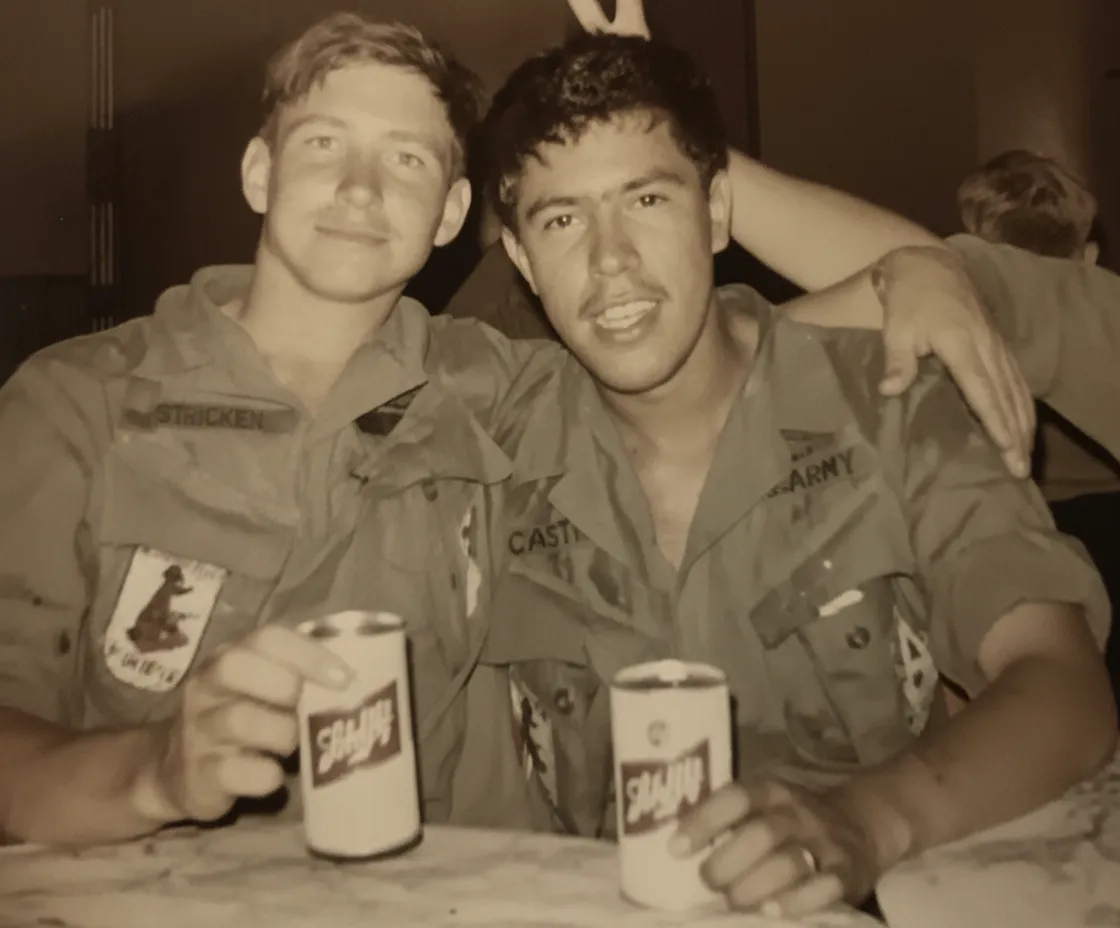
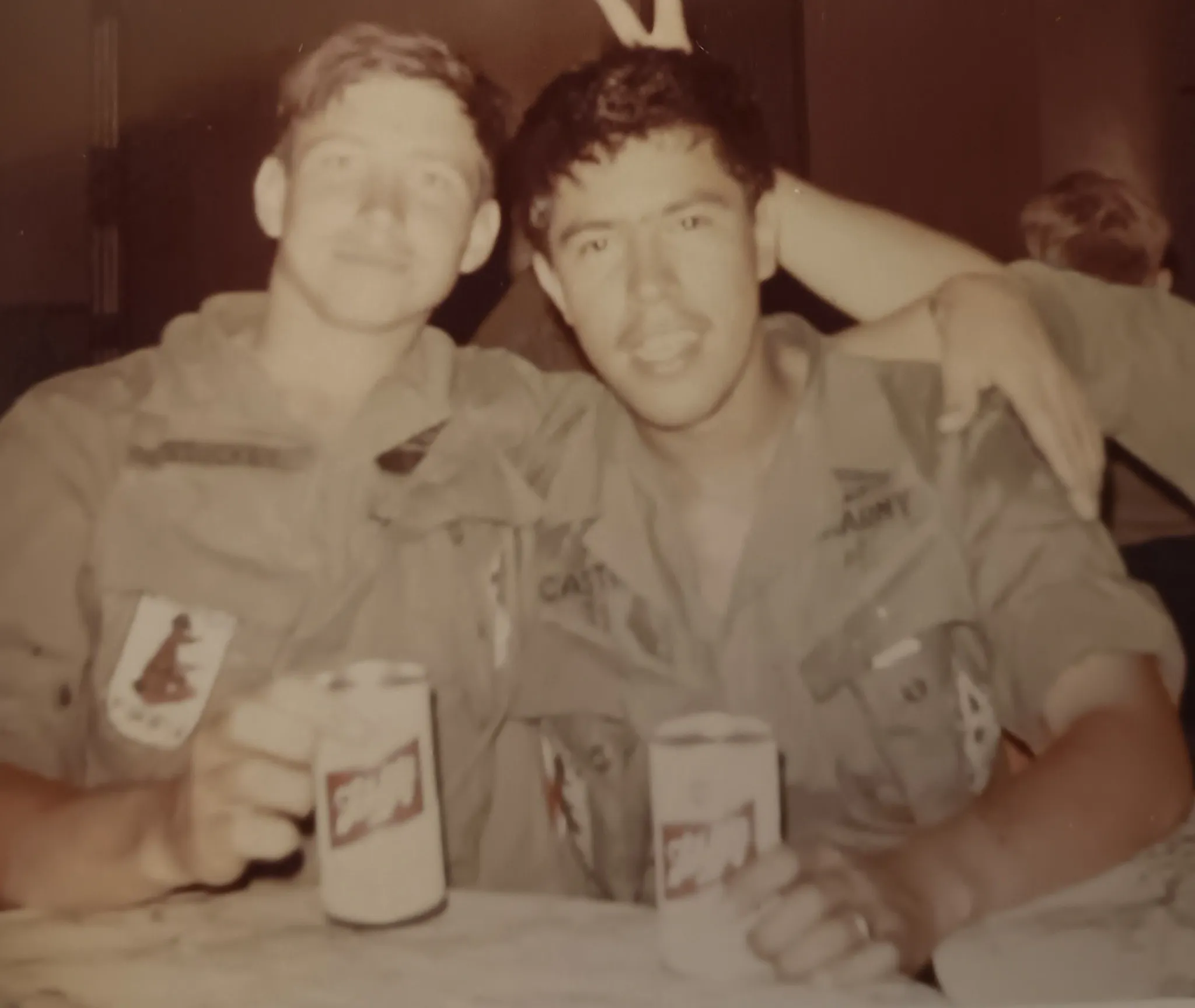
No darkroom expertise needed. Photograph or scan your tintype, upload it, and get a digitally restored version in under 30 seconds.
- ✦Works with scans and phone photos of tintypes
- ✦Results in seconds, not hours
- ✦Download in full resolution
For Genealogists
Uncover the faces in your family tree.
Tintypes are often the only photographic record of Civil War era and Victorian ancestors. Restoring them reveals faces, uniforms, and details that connect you to your heritage.
- ✦Ideal for genealogy and family history research
- ✦Reveal details hidden by oxidation and wear
- ✦2 free restorations per account

In-depth guide
How to restore tintype photos: step by step
First, you need a digital version of your tintype. Tintypes are made on reflective metal, so a regular flatbed scan often produces glare. The best approach is to photograph the tintype with your phone or camera at a slight angle using indirect, diffused lighting. Natural light from a window or two soft lights placed at 45-degree angles work well. Avoid direct flash, which creates hot spots on the metal surface. Use a macro lens or close-up mode if available. If your tintype is in a case, photograph it through the case opening rather than trying to remove it.
Once you have a digital file, go to restorephotosapp.com, click "Restore a photo", and upload your image. The AI analyzes the specific damage patterns on your tintype and restores it automatically in under 30 seconds. No manual settings or photo editing skills needed.
The most common tintype damage is oxidation. The iron plate rusts over time, creating dark spots and an overall darkening that hides the image. Our AI distinguishes between the oxidation layer and the actual image underneath, effectively seeing through the rust to recover the portrait. Even tintypes that appear almost entirely black to the eye often contain recoverable facial features and clothing details.
Other common damage includes lacquer cracking and flaking (which exposes the emulsion), bending and warping of the thin metal plate (causing the emulsion to crack along bend lines), and surface scratches. The AI handles all of these, filling in damaged areas and recovering underlying detail.
Important: do not attempt to physically clean a tintype before digitizing it. The lacquer layer is extremely brittle after 150+ years, and even gentle wiping can permanently strip away image detail. Upload the tintype as-is, oxidation and all. The AI does the restoration work digitally, which is completely safe for the original.
For genealogy researchers, restoring tintypes can reveal details like military uniforms (helping identify regiment and rank), occupational tools, jewelry, and family resemblances that were completely invisible in the degraded original. This can mean the difference between a dark, unidentifiable plate and a clear portrait of your Civil War era ancestor.
After restoration, you can download the image in full resolution. Many users print the restored tintype alongside a modern family photo for a striking generational comparison. You can also add the restored image to your family tree on sites like Ancestry or FamilySearch, or include it in a printed family history book.
Expert tips
Tips for restoring tintype photos
Avoid glare when digitizing
Tintypes are made on reflective metal. Photograph at a slight angle with diffused, indirect lighting to avoid hot spots. Never use direct flash.
Do not clean the surface yourself
The lacquer layer is extremely fragile. Wiping a tintype with anything, even a soft cloth, can permanently remove image detail. Upload the image as-is and let the AI handle imperfections.
Capture at the highest resolution possible
Fine facial details in tintypes are small. Use a macro lens or the highest resolution setting on your scanner to give the AI the most data to work with.
Store originals flat in acid-free envelopes
After digitizing, store your tintype flat in an acid-free paper envelope away from humidity. Never store tintypes in plastic sleeves, which trap moisture and accelerate oxidation.
Use clothing and hairstyles to date the photo
Civil War uniforms, hoop skirts, top hats, and specific collar styles can help date a tintype to within a decade. Combine with genealogy records for the most accurate identification.
Photograph both sides of the plate
Some tintypes have inscriptions, photographer stamps, or tax stamps on the back that help identify the subject, date, and location. Capture the reverse side for your genealogy records.
Pricing
One-time pricing. No subscription. Credits never expire.
Starter
For 5 to 10 photos. A handful of favorites, done properly.
$0.70 / credit · 10 restorations
Get Starter- 10 AI credits included
- High-Resolution Output
- Credits Never Expire
- Animate Photos with Credits
30-Day Satisfaction Guarantee
Family
A shoebox of family photos: around 50.
$0.60 per photoSave 14% per photo
5 Starter packs would cost $34.95
- 50 AI credits included
- High-Resolution 1080P Output
- Credits Never Expire
- Animate Photos with Credits
30-Day Satisfaction Guarantee
Studio
A big collection: 100 photos, or dozens of animations.
$0.55 per photoSave 21% per photo
10 Starter packs would cost $69.90
- 100 AI credits included
- High-Resolution 1080P Output
- Credits Never Expire
- Animate Photos with Credits
30-Day Satisfaction Guarantee
Archive
The whole family archive: 250 photos.
$0.44 per photoSave 37% per photo
25 Starter packs would cost $174.75
- 250 AI credits included
- High-Resolution 1080P Output
- Credits Never Expire
- Animate Photos with Credits
30-Day Satisfaction Guarantee
Only have around 25 photos? Pro pack: 25 credits for $16.99
Prices don't include VAT.
FAQ
Frequently asked questions
What is a tintype photo?
A tintype (or ferrotype) is a photograph made on a thin sheet of iron coated with dark lacquer and a light-sensitive emulsion. They were popular from the 1850s through the 1890s, especially during the Civil War, and are the most common 19th-century photos found in family collections.
Can AI restore a heavily oxidized tintype?
Yes. Our AI is trained to reverse oxidation darkening and recover image detail hidden beneath tarnish. Even severely darkened tintypes often contain recoverable facial features and clothing details that are invisible to the naked eye.
How do I digitize a tintype for restoration?
Photograph the tintype with indirect, diffused lighting at a slight angle to avoid glare from the reflective metal surface. Use a macro lens or close-up mode for maximum detail. Avoid direct flash. Two soft lights at 45-degree angles work best.
Will the AI damage my original tintype?
No. The AI works on a digital copy of your tintype. The original is never touched or modified. You download a new, restored digital version.
Is tintype restoration free?
You get 2 free restorations to try on your most damaged tintype. If you have multiple tintypes from a family collection or Civil War ancestor photos, the Family plan at $29.99 for 50 credits is the most affordable way to restore them all.
Can AI restore a bent or cracked tintype?
The AI can significantly reduce the visual impact of cracks and bends in the digitized image by filling in damaged areas and recovering underlying detail. Physical repair of the original plate requires a conservator.
How old is my tintype?
Most tintypes date from 1856 to the 1890s. You can narrow the date by examining the size and format: cased tintypes are typically 1856 to 1865, card-sized tintypes are 1860s to 1880s, and "gem" tintypes are late 1860s to 1870s. Clothing styles and hairstyles provide further clues.
What is the difference between a tintype and a daguerreotype?
A daguerreotype (1839 to 1855) is on polished silver-plated copper and has a mirror-like surface. A tintype (1856 to 1890s) is on dark-lacquered iron and has a matte appearance. Daguerreotypes are older, more fragile, always cased, and much rarer. Tintypes are cheaper, more durable, and far more common in family collections.
Are tintypes worth anything?
Most family portrait tintypes are worth $5 to $30 to collectors. However, tintypes of identified Civil War soldiers, famous individuals, African Americans, Native Americans, occupational scenes, or outdoor settings can be worth hundreds to thousands of dollars. The subject matter and condition determine value far more than age alone.
How do I date a tintype photo?
Look at the format (cased, card-mounted, or gem size), clothing styles, hairstyles, and any visible props. Tax stamps on the back (required 1864 to 1866) narrow the date precisely. Military uniforms, photographer imprints, and mat styles also help.
Can you restore a bent tintype?
The AI restores the digital image, significantly reducing the visual impact of bends and cracks. It fills in damaged areas where the emulsion has cracked along bend lines. For physical straightening of the metal plate, consult a photograph conservator through the American Institute for Conservation.
How long does tintype restoration take?
Typically under 30 seconds, even for heavily oxidized plates. The AI analyzes the oxidation pattern and tonal range of the tintype and applies correction automatically. No manual settings needed on your end.