
On this page
Quick verdict
If you have a very large batch of old photos and the absolute lowest price per image is your only priority, jpgHD is genuinely hard to beat at roughly 7 to 10 cents per photo. If you want to see full restoration quality before spending money, get results in seconds instead of minutes, and buy credits that never expire from a transparent operator, RestorePhotosApp is the better fit. Both tools are dedicated to old photos, which makes this a closer comparison than most.
Choose RestorePhotosApp
Best for testing full restoration quality free, fast results, and credits that never expire.
Choose jpgHD
Best for the lowest price per photo on very large batches, if you are comfortable paying before testing.

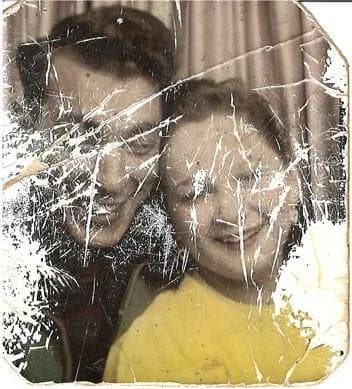
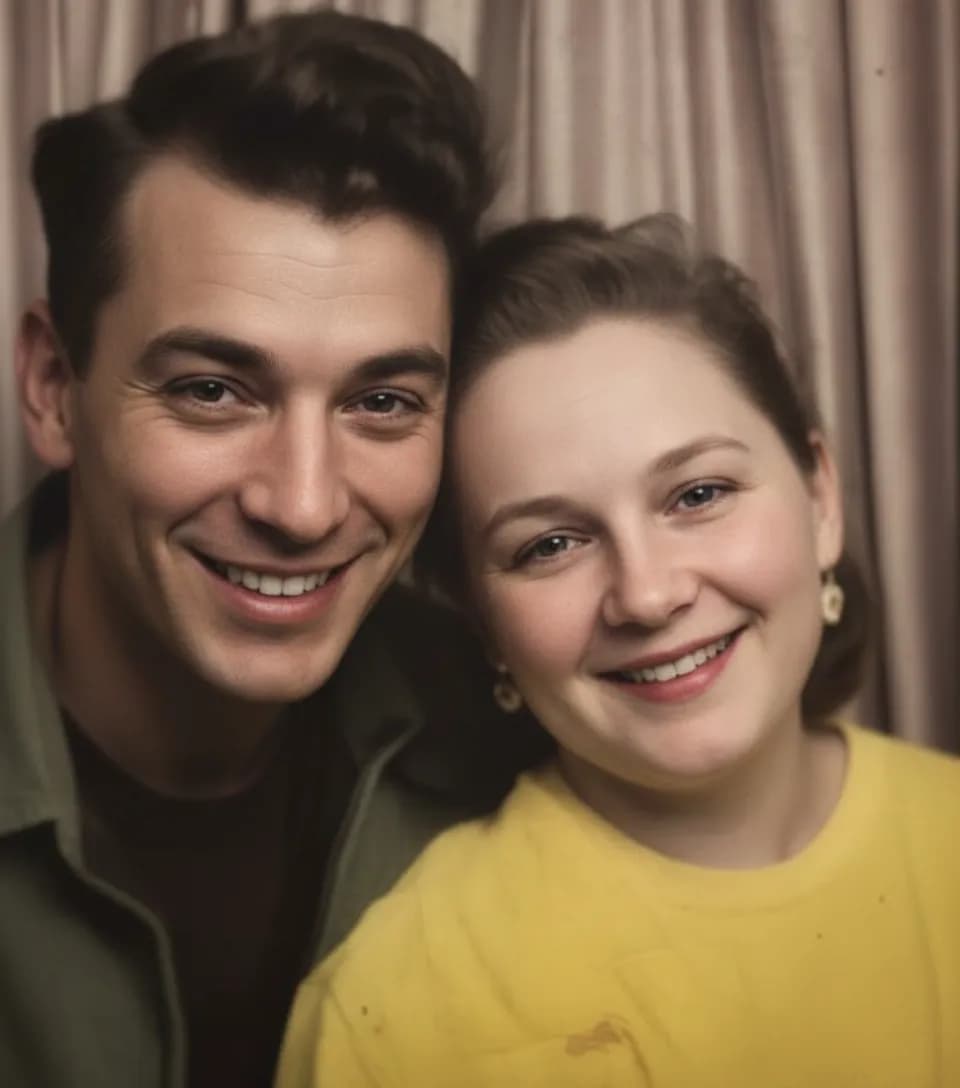
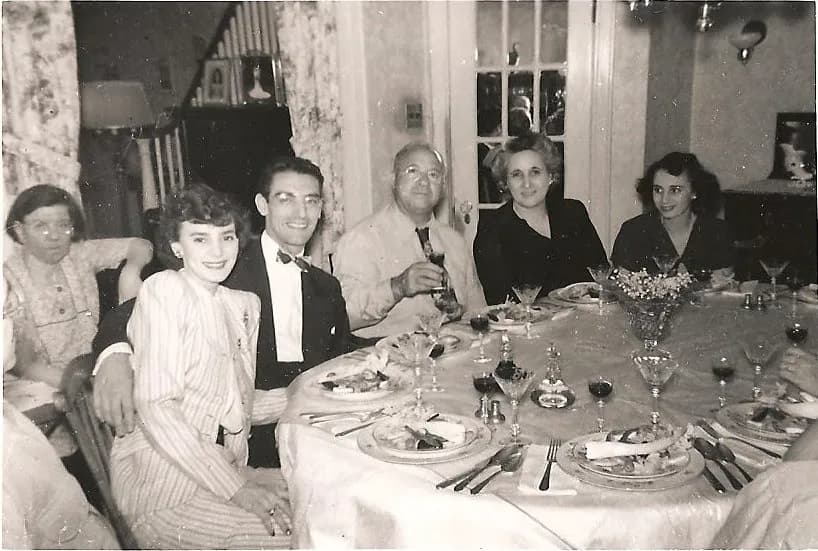
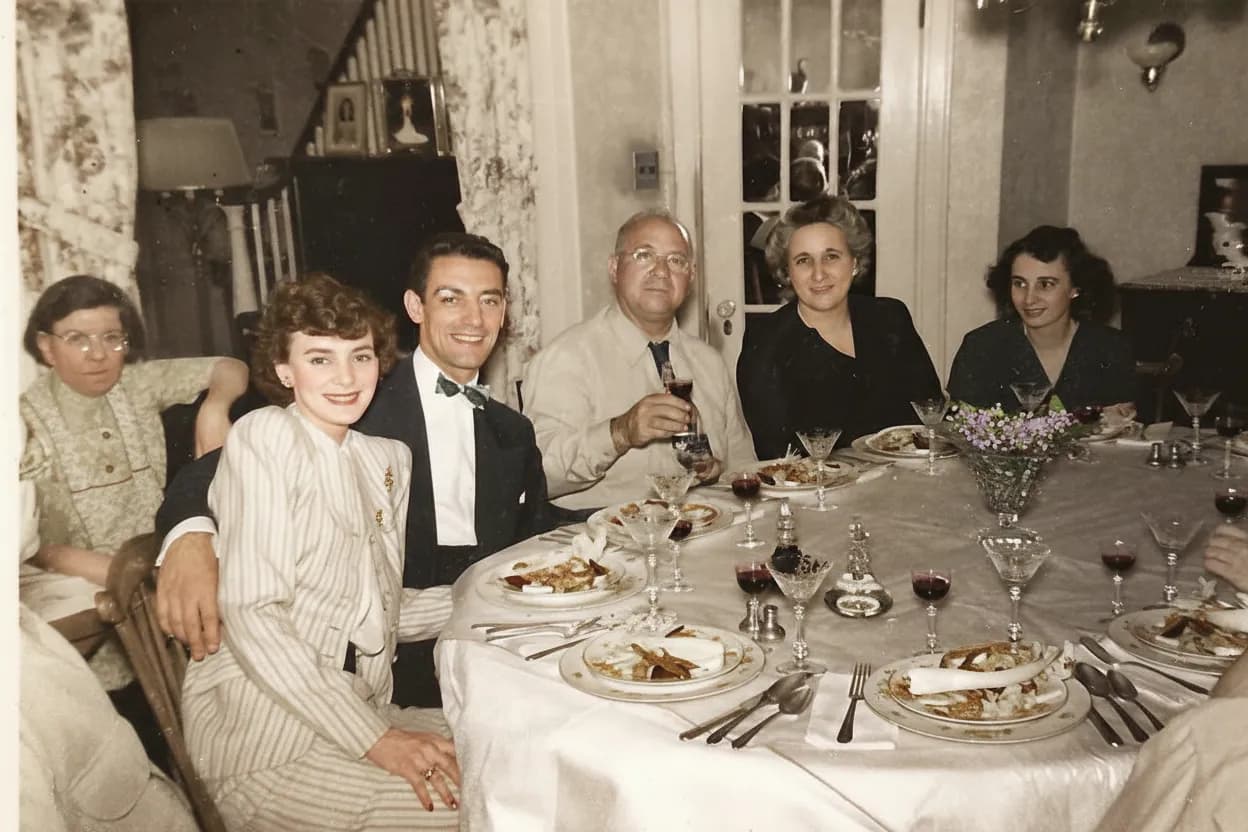
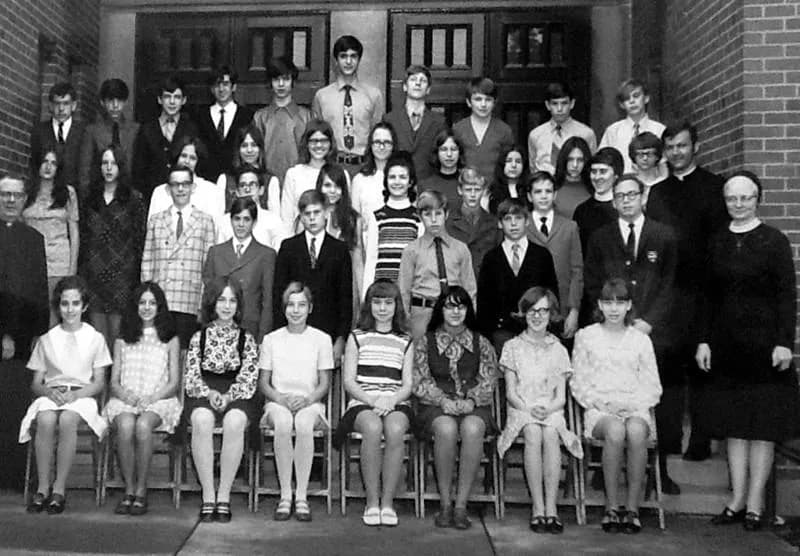
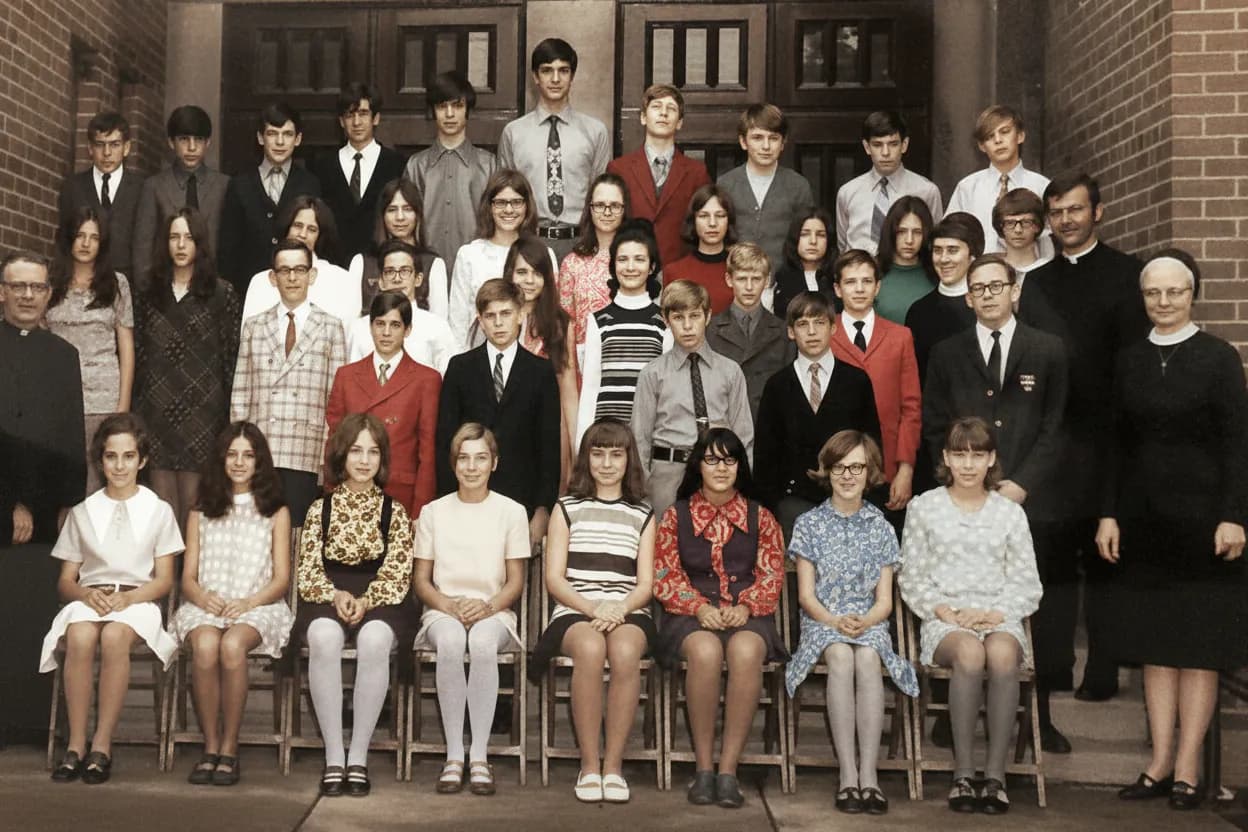
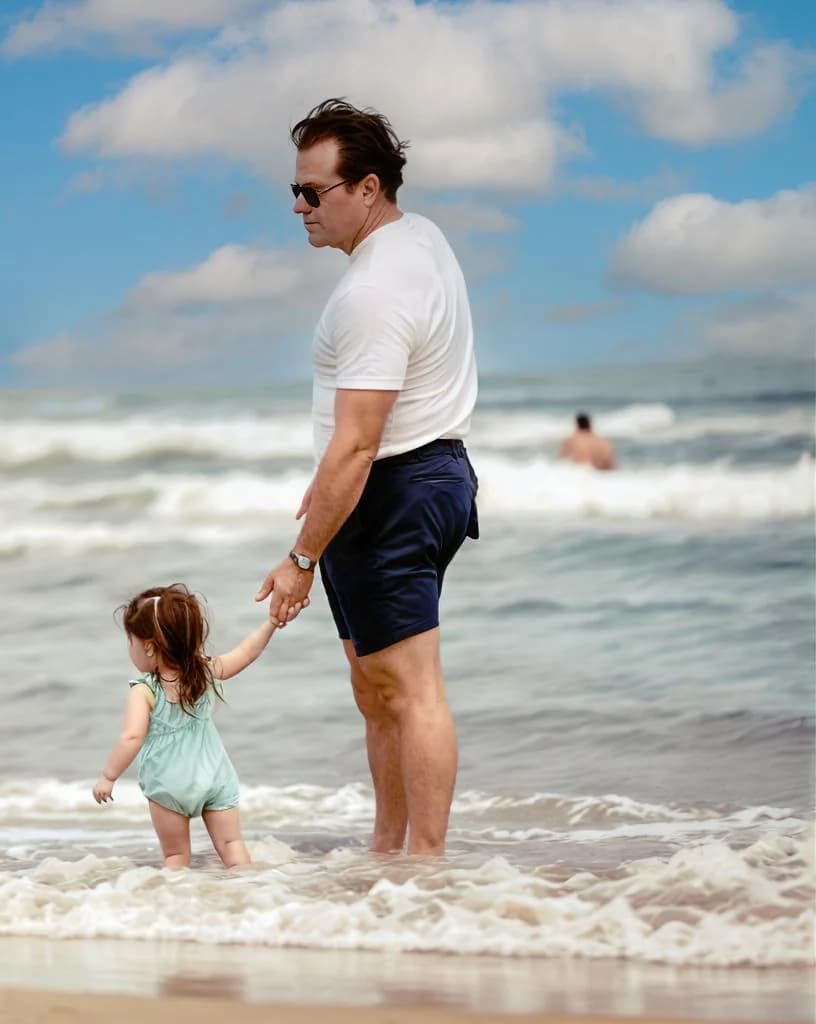
“My grandma cried when she saw her wedding photo restored. Absolutely incredible.”
Maria K.

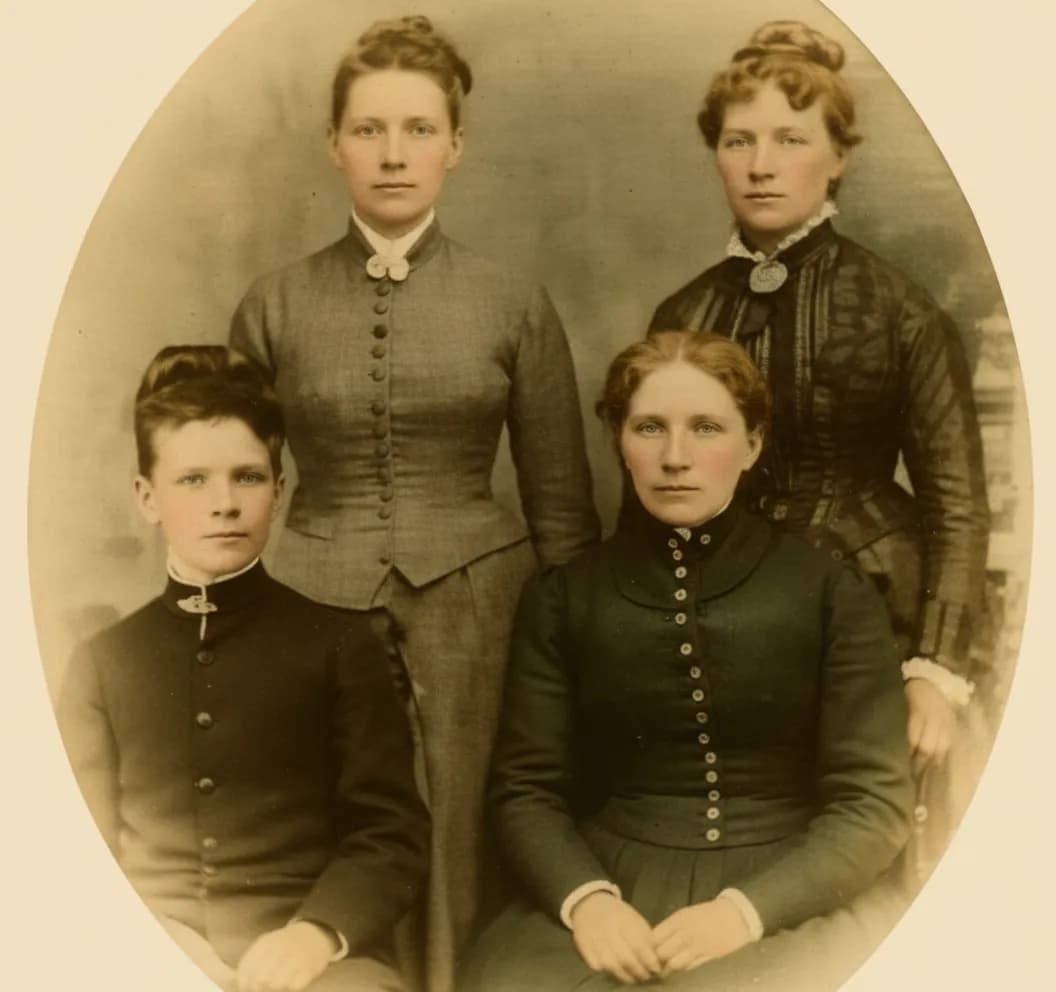
“Uploaded a blurry photo from the 70s and got back a crystal clear image. Like magic.”
James T.

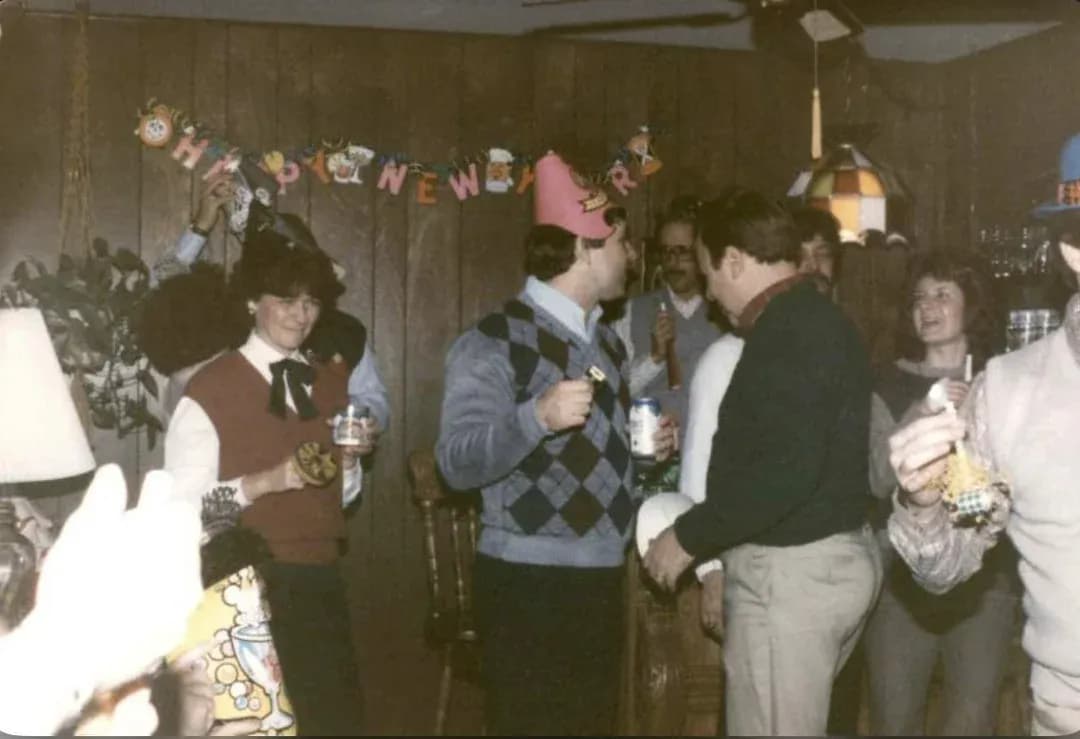
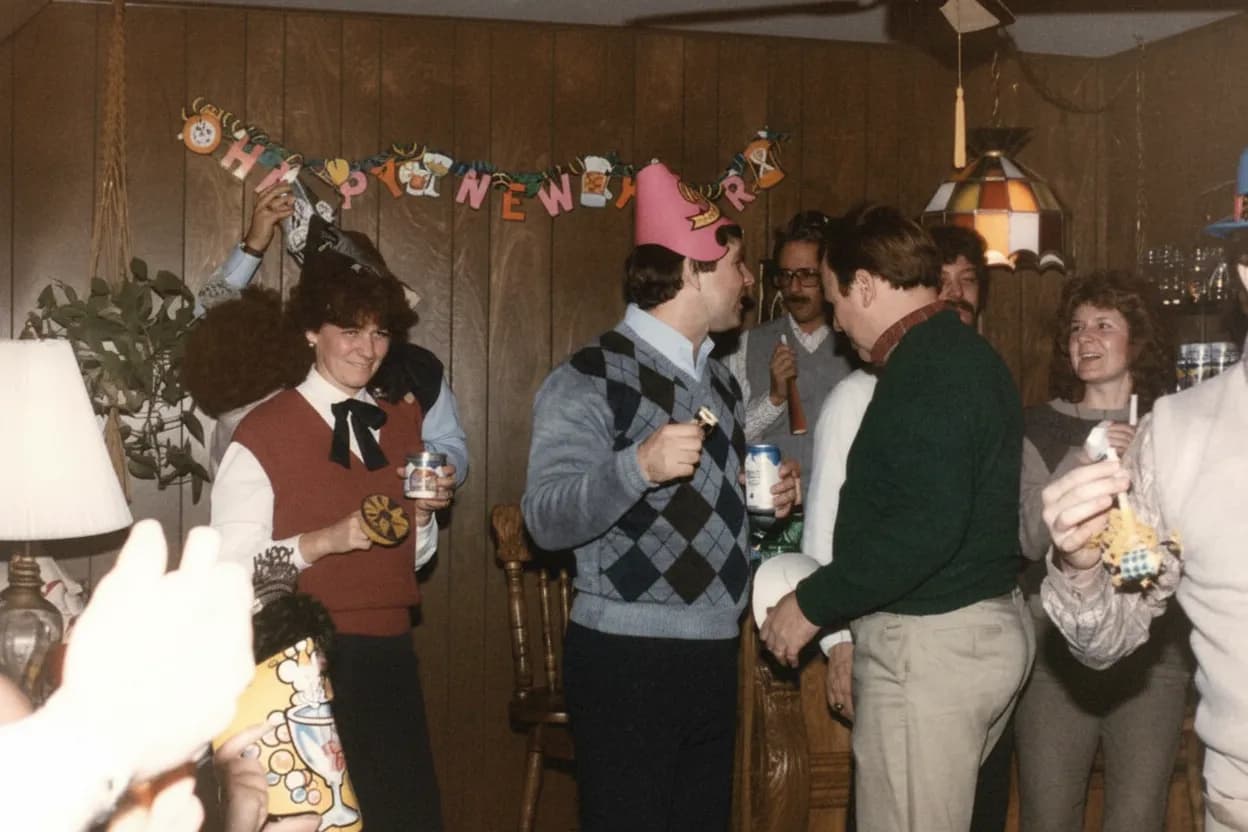
“Finally recovered old family photos I thought were lost forever. So easy to use.”
Sarah M.
See the difference on your own photos
No watermark · No subscription · From $6.99
Why people start looking for a jpgHD alternative
Credit where it is due: jpgHD is one of the few AI photo tools that is actually dedicated to old photos rather than treating them as an afterthought. Its tagline is "Lossless Restoration of Old Photos with AI," it offers scratch repair, colorization, an Ultra Restore mode, and even animated "Magic Photos" that make portraits move. It ships apps for the web, iOS, Android, macOS, and Windows, and its credit packs are among the cheapest in the category. If this page were only about price per photo, jpgHD would win it.
The reason people end up searching for an alternative usually comes down to three things. The first is the free tier. jpgHD advertises 5 free images per month, but as of this writing the free tier only includes basic enhancement. The features you actually came for, scratch repair, old-photo restoration, and colorization, are not available until you pay. That means you cannot judge the quality of jpgHD's restoration on your own photos before handing over money, which is an uncomfortable ask for a tool whose whole value is the quality of its output.
The second is speed. Users report that jpgHD takes 3 to 5 minutes to process a single image. That may sound tolerable for one photo, but old-photo projects are almost never one photo. A fifty-photo attic box at four minutes each is more than three hours of waiting, even before you factor in the free tier's 3000-pixel and 10MB upload caps that may force you to downscale your best scans. The third is quality itself: while some users praise jpgHD for keeping details close to the original, others report that the results are debatable and, in their words, "certainly not state-of-the-art models." When you cannot test restoration before paying, those mixed reports carry extra weight.
The pay-before-you-test problem
The core friction with jpgHD is structural, not malicious. Its business model is cheap credit packs: $5 for 50 images, $12 for 132, or $18 for 270, which works out to roughly 7 to 10 cents per photo. To make those prices work, the free tier has to be thin, and jpgHD made it very thin. Basic enhancement is free; everything you would actually use to restore a damaged family photo is paid. So the only way to find out whether jpgHD's scratch repair will handle your grandmother's torn wedding portrait is to buy credits first and hope.
That ordering matters more in photo restoration than in almost any other software category, because results vary enormously from photo to photo. A model that does beautifully on light fading can fall apart on heavy creasing, water damage, or a face that is half missing. Every serious restoration tool produces occasional misses, ours included, which is exactly why being able to run your own hardest photo through the full pipeline before paying is so valuable. RestorePhotosApp gives every new account 2 free restorations at full quality, with no watermark and no credit card, through the same Google Gemini powered pipeline that paid credits use. If the result does not hold up on your photo, you have lost nothing.
There is also the matter of credit expiry. jpgHD's credit packs are valid for one year, so any credits you have not used twelve months after purchase are simply gone. RestorePhotosApp credits never expire. For the typical family-archive project, which tends to happen in bursts whenever a new box of photos surfaces, a credit that quietly dies after a year is a real cost that the per-photo price does not show.
A note on speed, transparency, and who you are paying
Speed sounds like a minor detail until you are in the middle of a project. Users report jpgHD taking 3 to 5 minutes per image, and paid users get a priority queue, which tells you the wait is real enough that jpgHD sells a way around it. RestorePhotosApp returns results in seconds, which changes how you work: you can try a photo, look at the result, re-crop or re-scan, and try again within a minute. Iteration is half of getting a great restoration, and iteration at four minutes a cycle is painful.
The other consideration is who is on the other end of the transaction. jpgHD is operated by an unnamed company based in Guangzhou, China, founded around 2020. As of this writing, no legal entity name is published on the site, the only contact channel is an email address, [email protected], and the terms are governed by Chinese law. jpgHD states that it auto-deletes uploads after 3 days, which is a reasonable policy, but with no named company behind the service there is no practical way to verify or enforce any of it. None of this means jpgHD is doing anything wrong. It does mean that if something goes awry with your payment, your credits, or your photos, your recourse is one email address. RestorePhotosApp is a transparent operator with a 30-day money-back guarantee on every purchase and a published policy of auto-deleting photos after 30 days, and it is used by more than 470,000 people. For irreplaceable family photos, knowing who you are dealing with is worth something.
Skip the research — see the result on your own photo.
No watermark. No subscription. From $6.99.
Side by side
RestorePhotosApp vs jpgHD
| Feature | RestorePhotosAppOur pick | jpgHD |
|---|---|---|
| Pricing model | One-time credit packs from $6.99 | Credit packs from $5, valid one year |
| Cost per photo (best plan) | $0.60 per photo (Family plan) | ~$0.07-0.10 per photo |
| Free tier | 2 full restorations, all features, no watermark | 5 images/month, basic enhancement only; restoration and colorization are paid |
| Credit expiry | Never expire | Expire after 1 year |
| Speed per photo | Seconds | 3-5 minutes (users report) |
| Watermark on free output | No | No, but restoration is not available free |
| AI model quality | Modern Google Gemini AI models | Users report quality is debatable, not state-of-the-art |
| Platform | Web, works in any browser, no install | Web + iOS/Android/macOS/Windows apps |
| Photo deletion policy | Auto-deleted after 30 days | Auto-deleted after 3 days (their claim) |
| Company transparency | Accountable operator, 30-day money-back guarantee | Unnamed company in Guangzhou, email-only contact, Chinese law |
Restoring old family photos in 2026
What to look for in an old photo restoration tool
Why testing restoration quality before paying matters
AI photo restoration is unusually unpredictable software. The same model that produces a stunning repair on one faded portrait can stumble on the next photo's crease pattern, water stain, or unusual lighting. That is true of every tool in this category, which is why the single most useful feature a restoration service can offer is a genuine free trial of its actual restoration pipeline, not a stripped-down basic enhancement that tells you nothing about how the tool handles real damage.
Before you buy credits anywhere, run your single hardest photo through whatever free tier the tool offers and look closely at the faces. Faces are where restoration models succeed or fail: over-smoothed, plastic-looking skin and invented details are the most common failure modes. If a tool will not let you see its restoration output on your own photo before paying, you are buying blind, and the cheaper the credits are, the more tempting it is to overlook that. Cheap credits spent on results you cannot use are not cheap.
How processing speed changes a restoration project
Per-photo processing time compounds fast. At a few seconds per photo, restoring a fifty-photo shoebox is an afternoon of pleasant work: upload, review, adjust, download, next. At 3 to 5 minutes per photo, the same box becomes hours of dead waiting, and the natural rhythm of the work breaks down because you wander off between photos instead of staying in the flow of the project.
Speed also determines whether you can iterate. A surprising amount of restoration quality comes not from the model but from the input: cropping out the damaged border, re-scanning at a flatter angle, or splitting a group photo into individual portraits can all dramatically improve results. When each attempt costs seconds, you experiment freely. When each attempt costs four minutes and a paid credit, you take what you get. Fast tools do not just save time; they produce better final results because you try more.
Credits that expire versus credits that wait for you
Family photo restoration is a bursty activity. A box surfaces when a house is cleaned out, a relative mails you an envelope of prints, a sibling finds an album, and months or years pass between bursts. A credit pack with a twelve-month validity window quietly works against that rhythm: the leftover credits from this year's project are gone before the next box appears, and you are buying again from zero.
Credits that never expire match how these projects actually happen. You can buy a pack sized for the archive you can see, use half of it this weekend, and know the rest will still be there in three years when your aunt finally digs out the albums from her garage. Over multiple bursts, a slightly higher per-photo price with no expiry can easily end up cheaper in practice than the lowest sticker price with a one-year clock on it.


See the same effect on your own photos.
No watermark. No subscription. From $6.99.
Comparison information is based on publicly available product details and may change. Last updated 2026. Read how we test photo restoration tools.
About jpgHD
jpgHD is an AI old-photo restoration service at jpghd.com, marketed under the tagline "Lossless Restoration of Old Photos with AI." It is available as a web app and as native apps for iOS, Android, macOS, and Windows, and it is operated by an unnamed company based in Guangzhou, China, founded around 2020. Its feature set is genuinely focused on old photos: scratch and damage repair, colorization, an Ultra Restore mode, upscaling, denoising, and animated "Magic Photos" that bring up to 10 faces in a portrait to life. A developer API is also available, and jpgHD states that uploads are auto-deleted after 3 days.
jpgHD's pricing is its standout: one-year-validity credit packs at $5 for 50 images, $12 for 132, and $18 for 270, roughly 7 to 10 cents per photo, with paid access unlocking restoration, Ultra Restore, batch processing, a priority queue, and the removal of upload caps. The free tier is limited to 5 images per month of basic enhancement only, with a 3000-pixel and 10MB upload cap. The service has a very small review footprint online, with no meaningful Trustpilot presence as of this writing, and the only published contact channel is the email address [email protected].
Pros
- +Among the cheapest per-photo prices in the category (~$0.07-0.10)
- +Genuinely dedicated to old photo restoration, not selfies
- +Broad platform support: web, iOS, Android, macOS, Windows
- +Some users praise it for keeping details close to the original
- +Animated Magic Photos and a developer API are unusual extras
Cons
- −Restoration, scratch repair, and colorization are locked entirely behind payment
- −Users report slow processing of 3 to 5 minutes per image
- −Credits expire after one year
- −Users report output quality is debatable and not state-of-the-art
- −Unnamed operating company, email-only support, terms governed by Chinese law
- −Free tier caps uploads at 3000px and 10MB
The alternative
Why people switch from jpgHD to RestorePhotosApp
The most common reason people choose RestorePhotosApp over jpgHD is that they can actually see the results before paying. Every new account gets 2 full-quality restorations through the complete pipeline, scratch repair, colorization, and all, with no watermark and no credit card. With jpgHD, the restoration features you are evaluating are exactly the ones the free tier excludes, so the first real look at quality costs money.
The second reason is the experience of doing a real project. RestorePhotosApp returns results in seconds using modern Google Gemini AI models, runs in any browser with nothing to install, and sells credits that never expire, so a fifty-photo weekend project stays a weekend project and leftover credits wait for the next box of photos instead of evaporating after a year.
Test full restoration quality free
2 free full-quality restorations on signup, including scratch repair and colorization, with no watermark and no credit card. Judge the output on your own photos before spending anything.
Seconds, not minutes
Results come back in seconds, versus the 3 to 5 minutes per image that jpgHD users report. A fifty-photo project takes an afternoon, not a full day of waiting.
Credits never expire
jpgHD credits die after one year. RestorePhotosApp credits wait as long as you need, which suits the bursty, box-at-a-time way family archives actually surface.
Modern AI models
Restorations run on Google Gemini class models with 1080p output, tuned for scratches, tears, fading, blur, and colorization on old family photos.
A company you can hold accountable
Transparent operator, 30-day money-back guarantee on every purchase, photos auto-deleted after 30 days, and 470,000+ users. Not an unnamed entity reachable only by email.
Join 470,000+ people restoring their family photos.
No watermark. No subscription. From $6.99.
In practice
A real-world example: the fifty-photo weekend
Here is the scenario that separates these two tools in practice. A family member passes away, and you inherit a shoebox of roughly fifty prints: black and white portraits, a few faded color snapshots from the seventies, one badly scratched wedding photo that everyone agrees is the most important. You want them restored, shared with your siblings, and a couple printed for framing, ideally by the end of the weekend.
On jpgHD, the weekend starts with a leap of faith. The free tier's basic enhancement cannot tell you how the scratch repair will handle the wedding photo, so you buy the $5 pack of 50 credits before you have seen a single restored result. Then the waiting starts: at 3 to 5 minutes per image, fifty photos is somewhere between two and a half and four hours of processing time, spread across your Saturday. If the results on the hardest photos disappoint, the credits are spent, support is an email address at an unnamed company, and whatever credits remain will expire in a year.
On RestorePhotosApp, you start by spending your 2 free restorations on the wedding photo and the worst of the faded snapshots. Thirty seconds later you know exactly what the tool can do with your photos, at full quality, before paying anything. If the results hold up, the $29.99 Family pack covers all fifty photos three times over at about 60 cents each, the whole batch processes in minutes rather than hours, and the hundred leftover credits never expire, so they are still there when the next box surfaces. Yes, jpgHD's sticker price per photo is lower. But the sequence of test first, pay second, finish fast is what actually gets the weekend project done.
The short answer
Which one should you choose?
- You want to see full restoration quality on your own photos before paying
- You want results in seconds, not 3 to 5 minutes per image
- You want credits that never expire
- You value an accountable operator with a 30-day money-back guarantee
- You want modern Gemini-class AI models tuned for old family photos
- You need the absolute lowest price per photo on a very large batch
- You are comfortable paying before you can test restoration quality
- You want native desktop or mobile apps rather than a web app
- You want extras like animated Magic Photos or a developer API
Made your choice? Restore your first photos today.
No watermark. No subscription. From $6.99.
Bottom line
Final thoughts
jpgHD deserves more credit than most tools on our comparison pages: it is genuinely dedicated to old photo restoration, it runs on nearly every platform, and its per-photo pricing is about as low as this category goes. If you have a thousand-photo archive, price is everything, and you are comfortable buying credits before you can test the restoration quality, jpgHD is a rational choice and we are not going to pretend otherwise.
For most people restoring family photos, though, the trade-offs run the other way. Being able to see full restoration quality on your own hardest photo before paying, getting results in seconds instead of minutes, buying credits that never expire, and dealing with an accountable company with a money-back guarantee are worth more than a few cents per photo. Try RestorePhotosApp's 2 free restorations on your most damaged print first. If the results speak for themselves, you will know before you have spent anything at all.
FAQ
Frequently asked questions
Is jpgHD free?
Partly, but the free tier does not include the features most people come for. As of this writing, jpgHD offers 5 free images per month, limited to basic enhancement only, with uploads capped at 3000 pixels and 10MB. The headline features, scratch repair, old-photo restoration, and colorization, are not available on the free tier at all; they unlock only when you buy a credit pack, starting at $5 for 50 images. That means you cannot evaluate jpgHD's actual restoration quality on your own photos before paying, which is the main complaint that sends people looking for alternatives. By contrast, RestorePhotosApp gives every new account 2 completely free restorations at full quality, including scratch repair and colorization, with no watermark and no credit card required. If you want to judge restoration output before spending money, run your hardest photo through a tool that lets you test the real pipeline free.
How long does jpgHD take to restore a photo?
Users report that jpgHD takes around 3 to 5 minutes to process a single image, and paying customers receive a priority queue, which suggests the wait is a known pain point. For one photo that is tolerable; for a real project it adds up quickly. A fifty-photo shoebox at four minutes per image is more than three hours of processing time, and slow turnaround also discourages the re-cropping and re-scanning experiments that often improve results more than the model itself does. RestorePhotosApp returns restorations in seconds using Google Gemini AI models, so a fifty-photo batch is an afternoon of active work rather than a day of waiting, and retrying a photo with a better crop costs you moments instead of minutes. If your project involves more than a handful of images, per-photo speed is worth weighing at least as heavily as per-photo price.
Is jpgHD safe to use?
There is no evidence that jpgHD is unsafe, but there is less transparency than most people expect from a service handling irreplaceable family photos. jpgHD is operated by an unnamed company based in Guangzhou, China, founded around 2020; as of this writing no legal entity name is published on the site, the only contact channel is the email address [email protected], and the terms are governed by Chinese law. jpgHD states that uploaded photos are automatically deleted after 3 days, which is a reasonable policy, though with no named company behind the service it is difficult to verify or enforce. The review footprint online is also very small, with no meaningful Trustpilot presence. If operator accountability matters to you, RestorePhotosApp is run by a transparent operator, auto-deletes photos after 30 days, backs every purchase with a 30-day money-back guarantee, and serves more than 470,000 users.
Is jpgHD cheaper than RestorePhotosApp?
Per photo, yes, and we will not pretend otherwise. jpgHD sells credit packs at $5 for 50 images, $12 for 132, and $18 for 270, which works out to roughly 7 to 10 cents per photo, versus RestorePhotosApp's best rate of about 60 cents on the $29.99 Family plan. But the sticker price is not the whole cost. jpgHD credits expire after one year, so unused credits from this year's project are gone before the next box of photos surfaces, while RestorePhotosApp credits never expire. jpgHD also requires payment before you can test restoration quality at all, so a disappointing result means credits spent on output you cannot use; RestorePhotosApp lets you verify quality with 2 free full restorations first, and every purchase carries a 30-day money-back guarantee. For very large batches where price dominates, jpgHD wins on cost. For typical family projects, test-before-you-pay and no expiry usually matter more than the difference of a few cents.
What is the difference in quality between jpgHD and RestorePhotosApp?
Honest answer: it depends on the photo, and you should test both if you can. jpgHD gets some genuine praise from users for keeping restored details close to the original, but other users report that the quality is debatable and, in their words, "certainly not state-of-the-art models," and the structural problem is that you cannot run its restoration on your own photos without paying first, so those mixed reports are hard to check in advance. RestorePhotosApp runs on modern Google Gemini class AI models with 1080p output, tuned specifically for old-photo damage: scratches, tears, fading, blur, and black and white colorization. More importantly, you can verify the claim yourself: the 2 free restorations use exactly the same pipeline as paid credits, with no watermark. The fairest comparison is to run your single most damaged photo through RestorePhotosApp free, look closely at the faces, and only then decide whether paying jpgHD to see its version is worth it.
Do jpgHD credits expire?
Yes. jpgHD's credit packs are sold with one-year validity, so credits you have not used twelve months after purchase are gone, whether you bought the $5 pack of 50 or the $18 pack of 270. The mobile apps are different again: they sell separate in-app subscriptions rather than the web credit packs, which is worth knowing if you plan to use jpgHD across devices. Expiry matters more in photo restoration than in most categories because family-archive projects are bursty: a box of prints surfaces, you restore it in a weekend, and then months or years pass before the next batch appears, often after the leftover credits have quietly expired. RestorePhotosApp credits never expire, on any plan, from the $6.99 Starter pack with 10 credits to the $54.99 Studio pack with 100. Buy once for the photos you can see, and whatever is left will still be waiting when your aunt finds the albums in her garage.